
Can You Go Negative in Crypto?
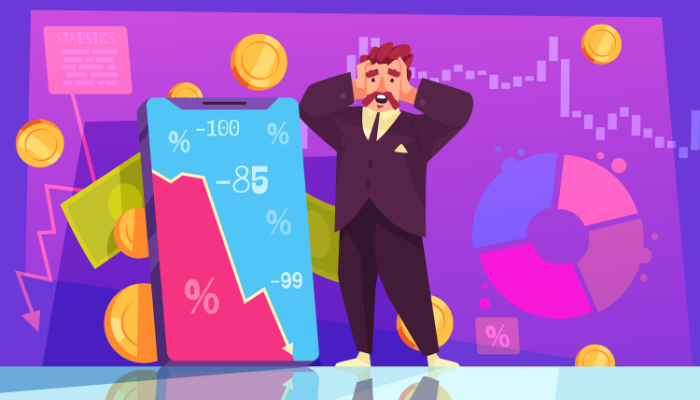
Cryptocurrency has transformed the way people invest, offering opportunities for significant returns alongside substantial risks. One of the most common questions among new investors is: can you go negative in crypto? The answer depends on how you invest, the platform you use, and whether you trade with borrowed funds. Understanding the difference between simply losing the value of an investment and actually owing money is essential before buying or trading digital assets. This article explains how negative balances can occur, the factors that influence risk, and the tradeoffs involved in different cryptocurrency investment strategies. Can You Go Negative in Crypto? In most cases, no. If you purchase cryptocurrency using only your own money in a standard spot trading account, the maximum you can lose is the amount you invested. For example, if you invest $1,000 in Bitcoin and its value falls dramatically, your investment may become worth only a few dollars, but it generally cannot become less than zero. However, there are situations where investors can end up with a negative account balance or owe money. These scenarios typically involve borrowing, leverage, or certain types of derivatives trading rather than ordinary cryptocurrency ownership. If Your Crypto Goes Negative, Do You Owe Money? A common concern is: If your crypto goes negative, do you owe money? The answer depends on the type of trading you are doing. Spot Trading When buying cryptocurrencies such as Bitcoin or Ethereum with your own funds: You own the asset outright. Your investment can lose value. You generally do not owe additional money beyond your initial investment. For most everyday investors, this is the safest way to participate in the cryptocurrency market. Margin Trading Margin trading allows investors to borrow money to increase the size of their trades. While leverage can amplify profits, it also magnifies losses. If the market moves sharply against your position, your losses may exceed your original investment. Some exchanges automatically liquidate positions before this happens, while others may require traders to repay outstanding debt if liquidation does not fully cover the borrowed funds. Futures and Derivatives Crypto futures contracts and perpetual swaps introduce additional risk because traders speculate on price movements rather than owning the cryptocurrency itself. In volatile markets: Losses can accumulate quickly. Positions may be liquidated. In certain circumstances, traders may owe additional funds if losses exceed collateral, depending on the platform’s liquidation policies and account protections. Can You Go Negative in a Crypto Wallet? Many people also ask: Can you go negative in crypto wallet? For a standard cryptocurrency wallet, the answer is no. A crypto wallet simply stores your digital assets and allows you to send and receive cryptocurrency. Since the wallet itself does not provide loans or leverage, its balance cannot normally become negative. However, confusion can arise when a wallet is connected to decentralized finance (DeFi) protocols or lending platforms. In these cases, users may borrow against cryptocurrency holdings. If collateral values fall significantly, positions may be liquidated, and depending on the protocol and circumstances, additional obligations could arise. Factors That Determine Whether You Can Owe Money Several important factors influence your financial risk in cryptocurrency investing. Investment Method Buying cryptocurrency outright generally limits losses to the amount invested. Borrowing money or using leverage increases both potential gains and potential losses. Platform Risk Management Different cryptocurrency exchanges use different approaches to managing risk. Some platforms: Automatically liquidate positions before balances become negative. Maintain insurance funds. Offer negative balance protection. Others place greater responsibility on traders to manage risk themselves. Understanding a platform’s liquidation and margin policies before trading is an important part of responsible investing. Market Volatility Cryptocurrency markets are known for rapid price movements. Sudden declines can cause leveraged positions to lose value faster than expected. Even experienced traders may struggle to react during periods of extreme volatility. Liquidity During sharp market declines, there may not always be enough buyers or sellers available at expected prices. This can increase losses because positions are closed at less favorable prices than anticipated. The Tradeoffs Between Risk and Reward Cryptocurrency investing involves balancing multiple objectives. Conservative Investing Advantages include: Limited downside risk Simpler investment strategy Lower likelihood of owing additional money Disadvantages include: Smaller potential returns Slower portfolio growth during strong markets Leveraged Trading Advantages include: Greater profit potential Ability to trade with less initial capital More advanced trading opportunities Disadvantages include: Significantly higher losses Greater emotional pressure Possibility of owing money in certain situations Choosing between these approaches depends on an investor’s financial goals, experience, and tolerance for risk. Challenges Investors Should Consider Understanding cryptocurrency risk involves more than watching prices. Some of the biggest challenges include: Rapid market volatility Complex trading products Limited investor understanding of leverage Security risks associated with exchanges and wallets Regulatory changes that may affect trading practices Education and careful research can help investors make more informed decisions before entering the market. Managing Risk Responsibly Several practices can reduce investment risk: Invest only money you can afford to lose. Understand whether you are using spot trading or leverage. Read your exchange’s liquidation policies. Diversify investments instead of concentrating on one asset. Consider using stop-loss orders where appropriate. Store long-term holdings securely in reputable wallets. No strategy eliminates risk entirely, but informed decision-making can reduce the likelihood of severe financial losses. Why Understanding Negative Balances Matters Whether someone is a beginner or an experienced trader, understanding how negative balances occur helps avoid costly mistakes. Many people assume that all cryptocurrency investments carry unlimited risk, but this is not generally true for standard spot purchases. The greatest risks arise when investors borrow funds or use advanced financial products without fully understanding how they work. Conclusion So, can you go negative in crypto? For most people who simply buy and hold cryptocurrency with their own money, losses are generally limited to the amount invested. However, margin trading, leveraged products, and certain derivatives can create situations where losses exceed an investor’s initial funds. Similarly, if your crypto goes negative, do you owe money? Usually
What Is XVM Crypto? Features, Use Cases & Investment Analysis

As blockchain technology continues to evolve, new projects are emerging to solve scalability, speed, and enterprise adoption challenges. One such project is XVM, a cryptocurrency associated with the Venom ecosystem. Designed to power decentralized applications (dApps), smart contracts, and blockchain infrastructure, XVM aims to play a significant role in the next generation of Web3 innovation. But what exactly is XVM crypto, and is it a worthwhile investment? In this guide, we’ll explore everything investors need to know. What Is XVM? XVM is a digital asset built within the Venom blockchain ecosystem, an advanced Layer-1 blockchain focused on delivering high-speed transactions, low fees, and enterprise-grade scalability. The token is designed to support: Network transactions Smart contract execution DeFi applications Governance participation Incentive rewards Cross-chain interoperability Rather than serving only as a payment token, XVM functions as a utility asset that helps power decentralized services across the Venom ecosystem. The Venom Ecosystem Explained Venom is designed to address some of blockchain’s biggest limitations: High transaction fees Network congestion Slow confirmation times Limited enterprise adoption Its architecture focuses on: Dynamic sharding Fast finality High throughput Secure validator network Developer-friendly infrastructure As more decentralized applications launch on Venom, demand for ecosystem tokens like XVM could increase. Key Features of XVM Crypto 1. Utility Token XVM is used to pay network fees and interact with decentralized applications. 2. Smart Contract Support Developers can build scalable decentralized applications powered by XVM. 3. DeFi Integration The token can be utilized across lending platforms, decentralized exchanges, liquidity pools, and staking protocols. 4. Governance Depending on ecosystem implementation, token holders may participate in governance proposals and voting. 5. Ecosystem Incentives Projects can distribute XVM as rewards for: Staking Liquidity mining Community participation Developer grants How Does XVM Work? XVM operates as part of the Venom blockchain infrastructure. Users can: Transfer tokens quickly Stake assets Interact with decentralized applications Participate in governance Pay transaction fees Validators help secure the network while processing transactions efficiently. XVM Token Utility The value of XVM depends largely on its utility within the ecosystem. Common uses include: Transaction fees Smart contract execution Staking rewards Governance voting DeFi participation Ecosystem incentives Greater ecosystem adoption can translate into stronger demand for the token. XVM Investment Analysis Why Investors Are Watching XVM Several factors make XVM an interesting cryptocurrency to monitor. Growing Ecosystem Successful blockchain projects often gain value as developers build applications on top of them. If Venom attracts developers and enterprises, XVM adoption could rise accordingly. Scalable Technology Scalability remains one of blockchain’s biggest challenges. Venom’s architecture is designed to process a high volume of transactions efficiently, making it suitable for enterprise and consumer applications. Utility-Based Demand Unlike purely speculative tokens, XVM has practical uses within its ecosystem, including transaction fees, staking, and decentralized finance. Early-Stage Opportunity Many investors seek exposure to emerging blockchain ecosystems before widespread adoption. If Venom experiences significant growth, early supporters of ecosystem tokens may benefit from increased demand. Risks of Investing in XVM Every cryptocurrency carries risk. Potential concerns include: Market volatility Regulatory uncertainty Competition from other Layer-1 blockchains Slow ecosystem adoption Smart contract vulnerabilities Liquidity limitations Investors should conduct thorough research before making financial decisions. XVM Tokenomics Before investing, consider evaluating: Total token supply Circulating supply Vesting schedules Inflation rate Staking rewards Token allocation Treasury management Strong tokenomics often contribute to long-term sustainability. Potential Use Cases XVM may support numerous blockchain applications, including: Decentralized finance (DeFi) NFT marketplaces Gaming ecosystems Cross-border payments Enterprise blockchain solutions DAO governance Asset tokenization As these sectors grow, ecosystem utility may expand. Is XVM a Good Investment? The answer depends on your investment strategy and risk tolerance. XVM may appeal to investors looking for: Exposure to emerging blockchain ecosystems Utility-driven cryptocurrencies Long-term Web3 growth opportunities Early-stage infrastructure projects However, like any digital asset, future performance depends on adoption, developer activity, partnerships, market conditions, and continued technological development. Pros and Cons Pros Utility within the Venom ecosystem Scalable blockchain infrastructure Potential staking opportunities Supports smart contracts and DeFi Early-stage growth potential Cons Highly volatile market Adoption still developing Competitive Layer-1 landscape Regulatory uncertainty Investment risk remains high Conclusion XVM represents an emerging digital asset within the Venom blockchain ecosystem, aiming to support scalable decentralized applications, efficient transactions, and Web3 innovation. Its long-term value will largely depend on ecosystem growth, developer adoption, real-world utility, and overall market conditions. For investors seeking exposure to developing blockchain infrastructure projects, XVM is a token worth researching further. As always, diversify your portfolio, assess project fundamentals, and never invest more than you can afford to lose. FAQs What is XVM crypto? XVM is a utility cryptocurrency that supports transactions, decentralized applications, staking, governance, and ecosystem activities within the Venom blockchain ecosystem. Is XVM part of the Venom blockchain? Yes. XVM is designed to operate within the broader Venom ecosystem and supports various blockchain services and applications. Can you stake XVM? Depending on the platform and ecosystem implementation, XVM may be eligible for staking or other reward mechanisms. Is XVM a good long-term investment? XVM could offer long-term potential if the Venom ecosystem achieves wider adoption. However, cryptocurrency investments are speculative and carry significant risk.
What is a Spot Bitcoin ETF?

Bitcoin has transformed the financial world since its introduction in 2009. As cryptocurrency adoption continues to grow, more investors are looking for safer and easier ways to gain exposure to Bitcoin without managing digital wallets or private keys. One of the biggest developments in this space is the Spot Bitcoin ETF. If you’re wondering what is a Spot Bitcoin ETF?, this guide explains everything you need to know. We’ll cover how Spot Bitcoin ETFs work, their advantages and disadvantages, how they differ from Bitcoin futures ETFs, and whether they’re a good investment for beginners. What is a Spot Bitcoin ETF? A Spot Bitcoin ETF (Exchange-Traded Fund) is an investment fund that directly owns Bitcoin and tracks its real-time market price. Instead of buying Bitcoin from a cryptocurrency exchange, investors can purchase shares of the ETF through a traditional stock brokerage account. Unlike Bitcoin futures ETFs, which invest in futures contracts, a Spot Bitcoin ETF holds actual Bitcoin in secure custody. This allows investors to benefit from Bitcoin’s price movements without having to own or store the cryptocurrency themselves. In simple terms, if Bitcoin’s market price rises, the value of a Spot Bitcoin ETF generally rises as well. Likewise, if Bitcoin’s price falls, the ETF’s value declines. How Does a Spot Bitcoin ETF Work? Understanding how a Spot Bitcoin ETF works is fairly straightforward. Here’s the basic process: An ETF provider purchases actual Bitcoin. The Bitcoin is stored securely with a regulated custodian. Shares of the ETF are issued to investors. These shares trade on major stock exchanges just like stocks. The ETF’s share price closely follows Bitcoin’s current market value. Because the fund owns real Bitcoin, investors gain exposure to Bitcoin’s price without handling wallets, private keys, or crypto exchanges. Why Was the Spot Bitcoin ETF Created? Many investors wanted Bitcoin exposure without the technical challenges associated with cryptocurrency ownership. Buying Bitcoin directly requires: Opening a crypto exchange account Securing private keys Managing digital wallets Understanding blockchain transactions Protecting assets from hacking risks A Spot Bitcoin ETF removes many of these obstacles by allowing investors to buy Bitcoin exposure through familiar investment platforms. Benefits of Investing in a Spot Bitcoin ETF 1. Easy Access One of the biggest advantages is convenience. Investors can purchase shares using their regular brokerage accounts without learning how cryptocurrency exchanges work. 2. Regulated Investment Spot Bitcoin ETFs operate under financial regulations, giving investors additional confidence compared to many unregulated crypto platforms. 3. No Wallet Management Owning Bitcoin directly requires secure storage. With a Spot Bitcoin ETF, professional custodians manage the Bitcoin holdings, eliminating concerns about lost passwords or stolen wallets. 4. Portfolio Diversification Bitcoin behaves differently than many traditional investments. Adding a Spot Bitcoin ETF may help diversify an investment portfolio, although diversification does not eliminate investment risk. 5. Tax Reporting Simplicity Many investors find ETF tax reporting easier than tracking numerous cryptocurrency transactions across multiple exchanges. Risks of a Spot Bitcoin ETF Although Spot Bitcoin ETFs provide convenience, they still involve investment risks. Bitcoin Price Volatility Bitcoin remains one of the most volatile financial assets. Large price swings can occur within hours or days. Management Fees ETF providers charge annual management fees that reduce overall returns over time. Market Risk If Bitcoin declines significantly, the ETF will generally lose value as well. Regulatory Changes Cryptocurrency regulations continue to evolve globally. Future regulatory developments could influence Bitcoin prices and investor sentiment. Spot Bitcoin ETF vs Bitcoin Futures ETF Many beginners confuse these two investment products. Feature Spot Bitcoin ETF Bitcoin Futures ETF Holds Actual Bitcoin Yes No Tracks Current Bitcoin Price Closely Indirectly Investment Type Physical Bitcoin Futures Contracts Complexity Lower Higher Long-Term Tracking Better Can vary The biggest difference is that a Spot Bitcoin ETF owns real Bitcoin, while a futures ETF gains exposure through derivative contracts. Who Should Consider a Spot Bitcoin ETF? A Spot Bitcoin ETF may be suitable for investors who: Want Bitcoin exposure without owning cryptocurrency directly. Already invest through traditional brokerage accounts. Prefer regulated financial products. Want to avoid managing crypto wallets. Are comfortable with Bitcoin’s price volatility. However, every investment should align with an individual’s financial goals, risk tolerance, and time horizon. Is Buying a Spot Bitcoin ETF Better Than Buying Bitcoin? The answer depends on your investment preferences. Buying Bitcoin Directly Pros: Full ownership Ability to transfer Bitcoin Can use Bitcoin for payments or decentralized applications Cons: Requires wallet security Higher responsibility Learning curve for beginners Buying a Spot Bitcoin ETF Pros: Easy investing No wallet management Trades like stocks Professional custody Cons: Management fees No direct ownership of Bitcoin Cannot transfer Bitcoin out of the ETF For many beginners, a Spot Bitcoin ETF provides a simpler entry point into Bitcoin investing. How to Invest in a Spot Bitcoin ETF The investment process is straightforward. Step 1: Open a Brokerage Account Choose a regulated brokerage that offers ETF trading. Step 2: Research Available Spot Bitcoin ETFs Compare factors such as: Expense ratio Fund size Liquidity Trading volume Reputation of the issuer Step 3: Decide Your Investment Amount Never invest money you cannot afford to lose. Because Bitcoin is highly volatile, many investors allocate only a small percentage of their portfolios. Step 4: Purchase ETF Shares Buy ETF shares during stock market hours just like purchasing shares of a company. Step 5: Monitor Your Investment Review performance periodically rather than reacting to short-term price movements. Factors That Influence Spot Bitcoin ETF Prices Several factors affect ETF performance, including: Bitcoin market price Investor demand Institutional investment Global economic conditions Interest rates Cryptocurrency regulations Market sentiment Because the ETF directly holds Bitcoin, its value largely reflects Bitcoin’s market performance. Common Misconceptions About Spot Bitcoin ETFs “I Own Bitcoin” Technically, ETF investors own shares of the fund—not individual Bitcoin. “It’s Risk-Free” No investment is risk-free. Spot Bitcoin ETFs remain exposed to Bitcoin’s market volatility. “It’s the Same as a Crypto Exchange” Buying ETF shares differs from purchasing Bitcoin directly on a cryptocurrency exchange. Tips for First-Time Investors If you’re new
Bitcoin price falls below $63K as fresh U.S.-Iran strikes hit markets
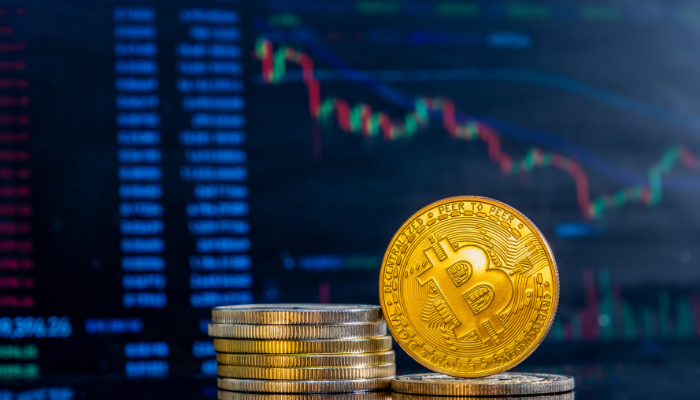
Bitcoin dropped below $63,000 on Friday, July 18, 2026, after fresh U.S. military strikes against Iran triggered a broad risk-off move across global markets. BTC traded near $62,777, down 2.19% in 24 hours. Key support sits at $62,200, with resistance at $65,000 capping any recovery attempt. Geopolitical shocks do not treat crypto gently. When risk appetite drops, Bitcoin typically follows and this week delivered a sharp reminder of that pattern. Bitcoin slipped below $63,000 on Friday as the United States launched another wave of strikes against Iran, targeting infrastructure and military-linked sites in southern Iran, including bridges and facilities near key ports. Iran continued retaliatory attacks across parts of the Gulf region. The compounding effect of military escalation, equity market weakness, and fresh U.S.-China tensions pushed investors away from risk assets in a hurry. At FillyX and FilsX, we track market-moving events so you have the data you need to make informed decisions. Here is what happened, what the numbers say, and what traders are watching next. What caused Bitcoin’s price to fall below $63,000 this week? The drop was not driven by a single event. Three pressures hit simultaneously. First, the U.S. carried out fresh military strikes against Iran. The attacks targeted southern Iranian infrastructure, including bridges and sites near major ports, according to U.S. Central Command. Iran responded with retaliatory strikes across Gulf region targets. This type of escalation reliably triggers a flight to safety in global markets and away from volatile assets like Bitcoin. Second, Asian equity markets fell sharply the same day. A major selloff in technology and semiconductor stocks was a central driver. The MSCI Asia-Pacific index dropped 2.7%, with Japan and Taiwan recording even heavier losses. When equity markets fall this sharply, crypto markets rarely hold steady. Third, fresh U.S.-China tension added another layer of uncertainty. President Donald Trump released intelligence alleging Chinese interference in the 2020 U.S. election. China denied the allegations. Markets are also monitoring whether the dispute affects Trump’s planned September meeting with Chinese President Xi Jinping, a meeting widely seen as important for trade stability. The combined result: Bitcoin traded near $62,777, down 2.19% over 24 hours, after moving between $62,705 and $64,753 on Friday. Where does Bitcoin stand technically after the latest decline? The technical picture is mixed but not broken. BTC has remained inside the $60,000–$65,000 range for more than a month. That range is now acting as a consolidation zone. A sustained recovery above $64,000, and particularly above $65,000, would improve the short-term structure meaningfully. Another rejection from that area, however, keeps Bitcoin locked in the same pattern it has traded for weeks. The key levels traders are watching right now: $65,000 – primary resistance. Sellers rejected prices near this level earlier in the week, and Bitcoin’s 9-day simple moving average currently sits near $63,765. $63,300–$63,800 – a trendline area identified by analyst Ardi as important support. $62,200 – horizontal support. Losing this level, according to Ardi, could signal the current relief rally has ended. The Relative Strength Index (RSI) stood at 47.74 at the time of writing, slightly below neutral, but not signaling oversold conditions. That means there is room to fall further before momentum indicators would suggest an extreme. What are institutional investors doing while Bitcoin drops? Institutional flows tell a more nuanced story. Despite the broader selloff, U.S. spot Bitcoin ETFs recorded $79.15 million in net inflows on July 16, according to SoSoValue data. BlackRock’s IBIT led with $33.44 million in inflows. That is a meaningful number. Institutions are not running for the exit, at least not yet. This matters because ETF inflows represent real demand from large buyers with longer time horizons. The fact that $79.15 million entered Bitcoin ETFs during a week of geopolitical selling suggests that some institutional investors view current prices as an entry point rather than a warning signal. Still, inflows at this level provided only limited support against the broader selling pressure. The macro environment is simply weighing too heavily on short-term price action. What are analysts saying about Bitcoin’s next move? Three analysts offer distinct views on where Bitcoin goes from here. Michaël van de Poppe argues the broader setup remains constructive. Van de Poppe stated that a clear breakthrough above $65,000 could open the way for stronger upside momentum, and that the recent correction has not changed his overall outlook. His position: the structure is still intact for a strong run if BTC clears $65,000. Ali Charts took a longer-term view. Ali noted that Bitcoin has historically formed major bottoms approximately 12 months after major market peaks. If that historical pattern holds, the next major bottom could form around October 2026. Ali Charts acknowledged directly that historical cycles do not guarantee Bitcoin follows the same timeline again, a fair and important caveat. Crypflow pointed to Bitcoin’s two-week MACD as a potential confirmation signal. The analyst noted that during the 2018 and 2022 bear markets, BTC reached its cycle bottom before the two-week MACD produced a bullish crossover. Based on that pattern, a future MACD crossover may confirm an existing bottom rather than identify one in advance. These perspectives are analytical frameworks, not guarantees. Each analyst frames Bitcoin’s current situation differently, but none is calling for a collapse. The dominant view is that $62,200 holds the line for now. How did Bitcoin’s options expiry affect Friday’s price action? Timing matters here. As crypto.news reported, approximately $1.2 billion in BTC options expired on Friday, with maximum pain near $63,000. Maximum pain is the price level at which the largest number of options contracts expire worthless, a level that can attract price action as expiry approaches. Bitcoin was already trading inside the $60,000–$65,000 range when the expiry occurred. The $63,000 maximum pain level placed natural gravity on Friday’s price, consistent with the pattern of BTC gravitating toward max pain during large expiry events. What should Bitcoin traders and investors watch next? The short-term picture hinges on two things: geopolitics and key price levels. On the geopolitical side, any
5 Candlestick Patterns for Crypto Traders
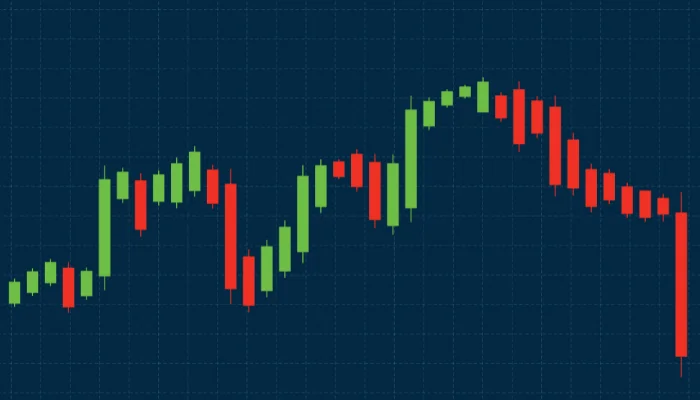
Candlestick patterns are visual price signals that help crypto traders identify market reversals and momentum shifts. The five most essential patterns for crypto traders are Three White Soldiers, Doji, Engulfing Patterns, Hammer, and the Perfect Dragonfly Doji each offering distinct clues about where price may move next. Reading a crypto chart for the first time can feel overwhelming. Dozens of red and green bars stack up across your screen, and it’s not immediately clear what any of it means. But hidden within that noise are repeating patterns candlestick formations that traders have used for centuries to anticipate price movements. Candlestick charts originated in 18th-century Japan, developed by rice trader Munehisa Homma to track market sentiment. Today, crypto platforms like Filsx and Fillyx surface these same patterns in real time, giving traders a powerful edge in fast-moving markets. This guide breaks down five of the most important candlestick patterns for crypto trading. Whether you’re analyzing Bitcoin, Ethereum, or an emerging altcoin, understanding these formations can sharpen your entries, exits, and overall decision-making. What Are Candlestick Patterns and Why Do They Matter for Crypto? Each candlestick represents a specific time period one minute, one hour, one day and captures four data points: the open, close, high, and low price. The body of the candle shows the range between open and close, while the wicks (or shadows) show the extremes. Patterns form when two or more candlesticks arrange in a recognizable way. These arrangements reflect shifts in buyer and seller sentiment and in crypto, where markets run 24/7 and volatility is high, spotting these shifts early can make a meaningful difference to your results. Platforms like Filsx and Fillyx make it easier to identify these patterns with built-in charting tools and real-time alerts. But knowing what to look for is half the battle. Three White Soldiers: A Strong Bullish Reversal Signal Three White Soldiers is a three-candle pattern that signals a strong shift from bearish to bullish momentum. It appears after a downtrend and consists of three consecutive long green (bullish) candles, each opening within the body of the previous candle and closing progressively higher. The pattern tells a clear story: buyers are stepping in with conviction, session after session, pushing prices higher with little resistance. In crypto markets, where sentiment can flip quickly, Three White Soldiers is one of the more reliable indicators of a sustained upward move. What to watch for: Each candle should have a small or nonexistent upper wick. Large wicks signal hesitation and weaken the pattern’s reliability. Doji: When the Market Can’t Make Up Its Mind A Doji forms when the open and close prices are nearly identical, resulting in a very small body with wicks extending in both directions. Visually, it looks like a cross or plus sign. Doji candles represent indecision. Neither buyers nor sellers managed to gain control during that period and in crypto, that kind of standoff often precedes a significant move in either direction. Doji patterns are most meaningful in context. A Doji appearing after a long uptrend can signal exhaustion and a potential reversal. The same pattern mid-trend carries much less weight. Traders using Filsx and Fillyx often use Doji signals in combination with volume data and support/resistance levels to improve accuracy. Engulfing Patterns: Momentum Shifts in Two Candles Engulfing patterns are two-candle formations that signal a shift in market control. There are two types: Bullish Engulfing: A small red candle is followed by a larger green candle that completely engulfs the previous candle’s body. This indicates buyers have overtaken sellers and a price increase may follow. Bearish Engulfing: The opposite—a small green candle followed by a larger red candle that engulfs it, suggesting sellers have taken control. The key word is “engulfs.” The second candle must fully cover the body of the first—not just partially overlap it. When this condition is met at a key support or resistance level, the signal carries significantly more weight. Engulfing patterns are among the most widely watched formations on platforms like Fillyx, largely because they’re easy to spot and tend to appear at meaningful turning points in the market. Hammer: A Reversal Signal Built on Rejection The Hammer is a single-candle pattern with a small body at the top and a long lower wick—typically at least twice the length of the body. It appears after a downtrend and signals that sellers pushed prices sharply lower during the session, but buyers stepped in and drove the price back up before the close. That long lower wick is the defining feature. It represents a rejection of lower prices, which is exactly why the Hammer is considered a bullish reversal signal. The longer the wick relative to the body, the stronger the rejection and the more meaningful the pattern. Bullish Hammer vs. Hanging Man: The same candlestick shape appearing after an uptrend is called a Hanging Man and carries a bearish implication. Context matters enormously with this pattern. For crypto traders monitoring shorter timeframes on Filsx, the Hammer is a particularly useful pattern because crypto assets frequently test key support levels before bouncing sharply. Perfect Dragonfly Doji: Precision Reversal at Its Best The Perfect Dragonfly Doji is a specialized candlestick where the open, high, and close prices are all at (or very near) the same level, with a long lower wick and virtually no upper wick. The result is a T-shaped candle. This pattern is a more precise version of the Hammer. The “perfect” qualifier means there’s almost no body at all the open and close are essentially identical. Sellers drove the price down aggressively, but buyers clawed it back entirely to the opening level, leaving no trace of a body. When the Perfect Dragonfly Doji appears at a well-established support zone, it’s one of the cleaner reversal signals available to crypto traders. Its specificity is also its limitation it doesn’t appear often. But when it does, traders on platforms like Fillyx and Filsx tend to pay close attention. How to Use Candlestick Patterns Effectively in Crypto
Where to Buy bfs Crypto
BFS (Beast Financial Services) is a Solana-based meme coin available on decentralized exchanges (DEXs) including Jupiter, Raydium, Orca, and Meteora. To buy BFS crypto, you need a Solana-compatible wallet funded with SOL, which you then swap for BFS on a DEX of your choice. BFS is not listed on major centralized exchanges like Binance or Coinbase. Beast Financial Services (BFS) launched on January 17, 2026, and quickly became one of the most talked-about tokens on Solana. Fueled by its association with MrBeast’s growing media empire including reports of a $200 million BitMine investment into Beast Industries BFS attracted tens of thousands of on-chain holders within its first week of trading. But viral momentum is only half the story. Before you buy BFS crypto, you need to know exactly where to get it, how to do it safely, and what risks come with the territory. This guide covers all of that. What Is BFS Crypto? Beast Financial Services (BFS) is a Solana-based meme coin that launched on Solana DEXs in January 2026. The token uses the Solana Programming Library (SPL) standard and has a fixed total supply of 1 billion tokens, all of which are currently in circulation. BFS applies a 0% buy and sell tax, which lowers friction for traders and supports high-velocity speculation. One important clarification: BFS has not been officially endorsed by MrBeast. The YouTuber issued a public denial on January 19, 2026, stating there was no official token connected to him. Despite this, BFS continued to rally. According to data from Cryptonews, the token climbed more than 4,700% from its launch price before experiencing sharp corrections a pattern consistent with other Solana meme coins. As of mid-2026, BFS trades at approximately $0.000156 with around 146,000 on-chain holders and a market cap of roughly $162K. Price action has been highly volatile. The official BFS contract address on Solana is: 2k8yZaJjf61unHriuqdmvbxe7CUhEYML5kVJDbcotKjU. Always verify this before trading, as copycat tokens are common in the meme coin space. Where to Buy BFS Crypto: Your Best Options Knowing where to buy BFS crypto comes down to two main paths: decentralized exchanges (DEXs) and hybrid CeDeFi platforms. Here’s a breakdown of both. Solana DEXs BFS is available on all major Solana DEXs. These include: Jupiter The leading Solana DEX aggregator. Jupiter scans multiple liquidity pools to find the best available price, making it a strong default choice for most traders. Raydium A primary liquidity provider where BFS initially launched its trading pools. Orca A user-friendly DEX with a clean interface, well-suited for beginners. Meteora Another option with competitive routing for Solana-based tokens. FilsX and FillyX also provide tools and resources to help traders navigate the Solana ecosystem and discover tokens like BFS more efficiently. In-App Wallet Swaps Several Solana wallets allow you to swap directly inside the app, removing the need to connect to a separate DEX: Best Wallet Supports Solana SPL tokens and uses Jupiter/Raydium routing internally. Includes SOL on-ramps, biometric security, and MPC key management. Phantom One of the most widely used Solana wallets. Supports in-app token swaps with a straightforward interface. Solflare Offers in-app swaps via its Swap tab and supports hardware wallet integration for added security. CeDeFi Platforms Platforms like BingX ChainSpot offer a middle-ground option. Instead of managing a separate wallet, you trade Solana-based tokens directly from your exchange account using USDT. Gas fees are abstracted away, and execution is fast. This suits traders who want on-chain exposure without the complexity of Web3 wallet management. How to Buy BFS Crypto Step by Step Here’s the most straightforward route for most users — using a Solana wallet and a DEX. Step 1: Set Up a Solana Wallet Download a Solana-compatible wallet such as Best Wallet, Phantom, or Solflare. Create an account, set a secure PIN, and enable biometric authentication where available. Store your 12-word recovery phrase in a secure physical location — never digitally. Step 2: Buy SOL You need SOL to pay Solana network fees and to swap for BFS. Purchase SOL from a centralized exchange and transfer it to your wallet, or buy it directly inside your wallet using a credit/debit card or bank transfer. Always keep a small amount of SOL in reserve for gas fees — Solana fees are typically under $0.01, but a failed swap due to insufficient gas is a frustrating and avoidable mistake. Step 3: Connect to a DEX Navigate to Jupiter, Raydium, or Orca and connect your wallet. Most DEXs support Phantom and Solflare natively. Best Wallet can connect via WalletConnect. Step 4: Swap SOL for BFS In the “Buy” or “To” field, search for BFS. Paste the official contract address (2k8yZaJjf61unHriuqdmvbxe7CUhEYML5kVJDbcotKjU) to confirm you’re buying the correct token. Enter the amount of SOL you want to spend, set slippage between 1–5% for volatile conditions, and confirm the swap. Your BFS tokens will appear in your wallet once the Solana network confirms the transaction — typically within seconds. Is BFS Available on Centralized Exchanges? No. As of mid-2026, BFS is not listed on Coinbase, Binance, or any major centralized exchange. You can view price data on Coinbase’s BFS page, but the token cannot be bought or sold there. Anyone claiming to sell BFS through a centralized exchange should be treated with extreme caution. Key Risks of Buying BFS Crypto Understanding where to buy BFS crypto is only part of the picture. Knowing the risks is just as important. Extreme price volatility: BFS dropped roughly 70% in a single day on January 21, 2026, following a parabolic rally. Rapid reversals are a known characteristic of Solana meme coins. No official MrBeast affiliation: The token’s price is tied to a narrative that has been publicly denied by MrBeast himself. If social interest fades, liquidity can evaporate quickly. No utility or whitepaper: BFS has no stated use case, no roadmap, and has not undergone third-party security audits. Its value is entirely driven by speculation. Scam token risk: The BFS ticker and name have attracted copycat tokens. Always double-check the contract address before executing any trade. Rug pull
Where to Buy VDOR Crypto in 2026?
Vanguard Digital Oil Reserve (VDOR) is a Solana-based meme coin launched on March 24, 2026. You can buy VDOR on decentralized exchanges like Jupiter and Raydium using a Solana-compatible wallet, or through centralized platforms like FilsX and FillyX. Always verify platform security before purchasing, as VDOR carries significant speculative risk. VDOR has been turning heads in the crypto community and fast. Since its launch on March 24, 2026, this Solana-based token has generated real buzz, posting a 15.69% price gain and a 33.08% jump in 24-hour trading volume in just its first days of trading (according to Cryptorank.io, March 26, 2026). That kind of momentum naturally raises the question: Where to Buy VDOR Crypto? This guide walks you through everything you need to know. From understanding what VDOR actually is, where to buy VDOR crypto, to the risks you absolutely need to consider before investing we’ve got you covered. At filsx and fillyx, we believe every investor deserves clear, honest information before putting money into any asset, especially one as new and volatile as this. What Is Vanguard Digital Oil Reserve (VDOR)? VDOR positions itself as a token that bridges physical energy markets and blockchain technology. Built on the Solana network, it claims to tokenize crude oil, refined products, and futures for on-chain verification, with reported ties to sovereign funds and institutional custodians. That sounds exciting and it is! But here’s where it’s important to stay grounded. According to data from Cryptorank.io, there is no verifiable evidence linking VDOR to actual oil reserves or regulated financial systems. At its core, VDOR functions as a standard SPL token on Solana, with its value driven primarily by trading activity and community sentiment rather than oil market fundamentals. As crypto analyst Alex Becker noted in a CoinDesk interview, “Meme coins like VDOR thrive on hype, but without transparent backing, they’re high-risk plays.” So what does that mean for you? and where to buy VDOR crypto? Think of VDOR as an energy-themed narrative token compelling, fast-moving, and exciting, but speculative by nature. How Is VDOR Performing in 2026? The numbers are hard to ignore! As of March 26, 2026, here’s a snapshot of VDOR’s market data (sourced from Cryptorank.io): Metric Value 24-Hour Change Price $0.00960685 +15.69% Market Cap $9.6 million — Trading Volume $811,000 +33.08% Total Supply 1 billion — Holders 6,570 — 24h Transactions 10,357 +19.55% 24h Active Traders 1,191 +39.30% The rising trader count (+39.30%) and transaction volume (+19.55%) signal growing community interest. That said, VDOR’s limited liquidity on decentralized Solana exchanges can amplify price swings in both directions. Sustained trading volume above $1 million would be a stronger indicator of maturing, reliable interest—something worth watching closely. Where to Buy VDOR Crypto in 2026? There are several solid options for purchasing VDOR, depending on your experience level and preferences! Decentralized Exchanges (DEXs) DEXs like Jupiter and Raydium are the most direct routes to buying VDOR. They support VDOR/SOL trading pairs and operate without intermediaries, which means faster access and no sign-up requirements. The trade-off? You’ll need to manage your own wallet and security. Centralized Exchanges (CEXs) Platforms like Bitget have emerged as accessible options for buying Solana-based tokens, including VDOR. Centralized exchanges offer a more familiar interface for beginners, with customer support and added security layers. As crypto expert Lark Davis highlighted in a YouTube analysis, “When buying meme coins, stick to platforms with high liquidity to avoid slippage.” Key tip from us at filsx and fillyx: Always prioritize platforms with two-factor authentication, cold storage options, and regulatory compliance in your region. A slightly less convenient exchange that keeps your funds safe is always the better choice. How to Buy VDOR Step-by-Step Ready to get started? Here’s exactly how to do it securely: Step 1: Set up a Solana-compatible wallet Download Phantom or Solflare both are trusted, beginner-friendly wallets that support Solana tokens. Think of your wallet as your digital bank account. Guard your private keys like you would your PIN number; never share them with anyone. Step 2: Fund your wallet with SOL You’ll need Solana’s native currency (SOL) to pay for transactions. Purchase SOL from a major exchange, then transfer it to your Phantom or Solflare wallet. Step 3: Connect to a DEX and swap for VDOR Head to Jupiter or Raydium, connect your wallet, and search for the VDOR/SOL trading pair. Enter the amount of SOL you want to swap, confirm the transaction, and pay the gas fee—Solana’s fees are typically under a cent, which is one of its best features! Step 4: Verify your purchase Check your wallet balance to confirm the VDOR tokens have arrived. You can also verify your transaction on Solana Explorer for full transparency. Alternatively, if you prefer a centralized route, create an account on Bitget or a similar compliant platform, complete identity verification, deposit funds, and trade directly. How to Invest in VDOR for Long-Term Gains So you’ve bought VDOR now what? Here’s where strategy really matters. Diversify your holdings. Holding VDOR alongside stable assets like USDT gives you a buffer against volatility. Never put all your eggs in one basket, especially with a meme coin this new. Watch technical indicators. As of late March 2026, VDOR’s RSI sits above 60, suggesting overbought conditions. Waiting for a pullback before entering—or averaging in gradually—can improve your long-term position. Track on-chain data. Tools like Solana Explorer let you monitor VDOR’s transaction activity in real time. Declining trader counts or a sharp drop in volume are early warning signals worth taking seriously. Short-term vs. long-term outlook: According to analyst projections from CryptoBriefing, VDOR could test $0.015 in the short term if trading volume holds. A longer-term target of $0.05 by year-end has been floated—but only if the project develops credible real-world backing. Without it, the token risks fading like many of its meme coin predecessors. What Are the Risks of Investing in VDOR in 2026? Honest talk—VDOR carries real risks, and we at filsx and fillyx think it’s essential you understand them before investing a
Best Cryptocurrency Wallet in Pakistan – FillyX
FillyX is a cryptocurrency wallet designed for Pakistani users, offering secure storage, easy crypto management, and local payment support. FillyX combines robust security with a beginner-friendly interface, making it one of the most practical cryptocurrency wallet in Pakistan right now. Pakistan’s crypto community is growing fast. With millions of Pakistanis now holding or trading digital assets, finding a wallet that’s actually built for local needs, fast transactions, local currency support, and strong security, can feel like searching for a needle in a haystack. That’s where FillyX comes in! What makes FillyX the go-to cryptocurrency wallet in Pakistan? FillyX stands out because it’s designed with Pakistani users in mind. From seamless PKR integration to a clean, intuitive interface, FillyX removes the usual headaches that come with managing crypto. New to digital assets? No problem. FillyX guides you through every step. So you spend less time figuring things out and more time growing your portfolio. Key features of FillyX Multi-currency support for Pakistani crypto holders FillyX supports all major cryptocurrencies – Bitcoin, Ethereum, USDT, and more – within a single, unified dashboard. No more juggling multiple apps! Secure storage you can actually trust FillyX uses advanced encryption and two-factor authentication (2FA) to keep your assets safe. Your private keys stay in your control always. That’s a big deal, especially when you’re managing real money. Fast and low-cost transactions Nobody likes waiting or paying steep fees. FillyX is optimized for speed and affordability, ensuring your transactions go through quickly without eating into your profits. Beginner-friendly design Crypto can feel intimidating at first but FillyX makes it approachable. The app’s clean layout and step-by-step prompts mean you’ll feel confident from day one! Why FillyX is the smartest choice for Pakistan’s crypto market? Pakistan ranks among the top countries globally for cryptocurrency adoption, according to Chainalysis’s 2023 Global Crypto Adoption Index. Yet, most global wallets don’t cater to the specific needs of Pakistani users, things like local payment gateways, Urdu-language support, and PKR conversion tools. FillyX bridges that gap directly. Rather than forcing Pakistani users to work around a global product, FillyX works around them. That difference matters enormously when you’re making real financial decisions. Choose FillyX if local relevance, security, and ease of use matter more to you than a flashy feature list you’ll never use. How to get started with FillyX in Pakistan? Getting started is simple, here’s how: Download the FillyX app from the official website or your app store Create your account with a verified email and phone number Secure your wallet by enabling 2FA and backing up your recovery phrase Add funds using your preferred payment method Start trading or storing your crypto with confidence! That’s it! You’re officially part of the FillyX community. Start your crypto journey with FillyX today FillyX gives Pakistani crypto users exactly what they need security, simplicity, and local relevance all in one place. The crypto market moves fast, and having the right wallet can make all the difference. Don’t settle for a generic app when FillyX was built specifically for you! Ready to take control of your crypto? Download FillyX today and experience the most user-friendly cryptocurrency wallet in Pakistan. FAQs Is FillyX available in Pakistan? Yes! FillyX is fully available in Pakistan and is specifically optimized for Pakistani users, including local payment support and PKR conversion features. Is FillyX safe to use? FillyX uses advanced encryption and two-factor authentication to protect user funds. Private keys remain in the user’s control at all times, ensuring maximum security. What cryptocurrencies does FillyX support? FillyX supports all major cryptocurrencies, including Bitcoin (BTC), Ethereum (ETH), and USDT, within a single dashboard. Is FillyX suitable for beginners? Absolutely! FillyX is designed with a beginner-friendly interface, making it easy for first-time crypto users to get started without prior experience. Are there fees for using FillyX? FillyX is optimized for low transaction costs, though specific fee structures may vary depending on the transaction type. Check the FillyX website for the latest fee details.
Where to Buy USOR Crypto in 2026: Beginner’s Guide
Where to buy USOR crypto in 2026, to set up an account on a reputable exchange that lists the token, complete identity verification, deposit funds via card or crypto transfer, then place a buy order. Always confirm the token’s official contract address before purchasing to avoid scams. New tokens launch every week, and USOR is one name that’s caught the attention of curious investors heading into 2026. If you’re new to crypto, the buying process can feel intimidating wallets, exchanges, gas fees, and contract addresses all sound like a foreign language at first. The good news? Buying USOR is more straightforward than it looks once you understand the basic steps. This guide walks you through everything a beginner needs to know: where to buy USOR, how to do it safely, and what to watch out for along the way. By the end, you’ll feel confident enough to make your first purchase without second-guessing every click. What is USOR crypto? USOR is a cryptocurrency token traded on digital asset exchanges. Like most newer tokens, it tends to trade against major pairs such as USDT (Tether) or USDC, two stablecoins commonly used as the base currency for buying smaller coins. Because USOR is a smaller-cap asset, it may not be listed on every major exchange. That makes choosing the right platform an important first step. It also means you should verify the token’s official details, especially its contract address, before buying, since scam tokens often copy popular names. Where to buy USOR crypto? You can buy USOR through centralized exchanges (CEXs) or decentralized exchanges (DEXs). Each option suits a different type of buyer. Centralized exchanges (CEXs) Centralized exchanges are the most beginner-friendly way to buy crypto. They work much like online brokerages: you create an account, deposit money, and trade through a simple interface. Platforms like FilsX, FillyX, and similar exchanges handle the technical side for you, including custody of your tokens. Choose a centralized exchange if you want: A simple sign-up and buying process The ability to pay with a debit card or bank transfer Customer support if something goes wrong Built-in security features like two-factor authentication The main trade-off is that the exchange holds your funds, so you’re trusting the platform with your assets. Stick to established exchanges with strong reputations and proof-of-reserves transparency. Decentralized exchanges (DEXs) Decentralized exchanges let you trade directly from your own crypto wallet, with no middleman holding your funds. If USOR isn’t listed on a major CEX, a DEX may be your only option. Choose a decentralized exchange if you want: Full control of your own funds Access to tokens before they hit larger exchanges More privacy, since most DEXs don’t require identity verification The downside is complexity. You’ll need a self-custody wallet, some knowledge of network fees, and extra care to paste the correct contract address. For a first-time buyer, this route carries more room for error. How do you buy USOR crypto step by step? Here’s a simple walkthrough for buying USOR on a centralized exchange, the recommended path for beginners. Step 1: Choose and create an account on an exchange Pick a reputable exchange like FilsX and FillyX that lists USOR. Sign up with your email or phone number and create a strong password. Enable two-factor authentication (2FA) right away for extra security. Step 2: Complete identity verification (KYC) Most centralized exchanges require Know Your Customer (KYC) verification. You’ll upload a government-issued ID and sometimes a selfie. This usually takes a few minutes to a day to approve. Step 3: Deposit funds Add money to your account. You can typically deposit using: A debit or credit card A bank transfer A crypto transfer (for example, sending USDT from another wallet) If you’re buying USOR with a stablecoin, purchase USDT or USDC first, then use it to buy USOR. Step 4: Find the USOR trading pair Search for USOR in the exchange’s spot market. Select the trading pair you want, such as USOR/USDT. Step 5: Place your order Choose between two common order types: Market order: Buys USOR instantly at the current price. Best for beginners who want speed. Limit order: Sets a specific price you’re willing to pay. The order fills only when the market reaches that price. Enter the amount, review the details, and confirm. Congratulations—you now own USOR. Step 6: Store your USOR safely You can leave your USOR on the exchange for easy trading, or move it to a private wallet for added security. Hardware wallets offer the strongest protection for long-term holding. How do you buy USOR safely and avoid scams? Newer tokens attract scammers, so safety matters. Follow these rules to protect yourself: Verify the contract address. Always confirm USOR’s official contract address from a trusted source before buying on a DEX. Fake tokens with identical names are common. Use established exchanges. Stick to platforms with strong security records, proof of reserves, and active customer support. Enable two-factor authentication. This adds a critical layer of protection to your account. Beware of “guaranteed returns.” No legitimate project promises fixed profits. Pressure to buy quickly is a major red flag. Start small. Make a small test purchase first to confirm everything works before committing more. FAQs How much does it cost to buy USOR? Beyond the price of the token itself, you’ll pay trading fees (often a small percentage per trade) and possibly deposit or withdrawal fees. Fees vary by exchange, so check the fee schedule before you trade. On a DEX, you’ll also pay network gas fees. Do I need a crypto wallet to buy USOR? Not always. If you buy on a centralized exchange, the platform stores your USOR for you. If you use a decentralized exchange, you’ll need a self-custody wallet such as MetaMask or Trust Wallet to connect and trade. Is USOR a safe investment? No cryptocurrency is risk-free, and smaller tokens like USOR are especially volatile. Prices can swing sharply in either direction. Treat any purchase as high-risk and only invest money you
How to Pay on Playerauctions with Crypto?

To pay with crypto on PlayerAuctions, navigate to the checkout page and select cryptocurrency as your payment method. Choose USDC, then select either FilsX or FillyX. Ensure your chosen wallet has sufficient USDC funds, log in to the wallet, and authorize the transaction to complete your purchase. Purchasing in-game assets, accounts, and currency requires a secure and efficient payment method. Many gamers are shifting toward digital currencies because they offer fast transactions and enhanced privacy. PlayerAuctions supports cryptocurrency payments, giving buyers a streamlined way to secure their digital goods. If you have never used a digital wallet to buy gaming assets, the checkout process might seem unfamiliar. This guide outlines the exact steps to complete a crypto transaction on PlayerAuctions, explains the benefits of using digital currency, and highlights how to resolve common payment errors. For more information: How to Pay on Playerauctions with Crypto How to Pay on PlayerAuctions with Crypto? Paying for your PlayerAuctions order with crypto requires a funded digital wallet. Follow these specific steps to complete your purchase securely. 1. Navigate to the PlayerAuctions payment page Once you find the account, item, or currency you want to buy, add it to your cart. Proceed to the PlayerAuctions checkout screen. Fill in any required delivery details requested by the seller. 2. Select cryptocurrency as your payment method Scroll down to the payment options section. PlayerAuctions offers multiple ways to pay. Click on the cryptocurrency payment option to proceed. 3. Choose USDC Currently, PlayerAuctions processes digital payments through specific stablecoins to avoid market volatility. Select USDC (USD Coin) from the dropdown list of accepted cryptocurrencies. 4. Choose your payment gateway (FilsX or FillyX) After selecting USDC, the system will prompt you to choose a specific payment gateway. Select either FilsX or FillyX to facilitate the transfer. Choose FilsX if you prefer a standard web wallet integration, or FillyX if you are using their specific mobile ecosystem. 5. Confirm your wallet has enough USDC Before initiating the transfer, open your digital wallet and verify your balance. You must have enough USDC to cover the total cost of the PlayerAuctions order, plus any minor network network fees (gas fees) associated with the transaction. 6. Log in to the selected wallet and complete checkout The PlayerAuctions payment gateway will prompt you to connect your wallet. Log in to your digital wallet provider, review the exact USDC amount requested, and confirm the transaction. Once the blockchain verifies the transfer, PlayerAuctions will process your order and notify the seller. Why should I use crypto for PlayerAuctions purchases? Using cryptocurrency on PlayerAuctions provides several distinct advantages over traditional credit cards or bank transfers. First, crypto transactions offer enhanced privacy. Buyers do not need to share sensitive credit card numbers or bank details directly with the marketplace. Second, stablecoins like USDC process globally without international conversion fees. Finally, blockchain payments often clear faster than traditional bank clearinghouses, meaning PlayerAuctions can verify your payment and release your gaming assets more quickly. What are common crypto payment issues on PlayerAuctions and how can I fix them? Even with a straightforward process, you might encounter minor hurdles. Here is how to handle the most frequent payment issues: Insufficient funds for network fees: If your transaction fails, you likely have enough USDC for the item but lack the funds to cover blockchain network fees. Always keep a small buffer of the native network token (like ETH for the Ethereum network) in your wallet. Wrong network selection: USDC exists on multiple blockchains (Ethereum, Polygon, Solana). Ensure you are sending your USDC on the exact network requested by the FilsX or FillyX gateway. Sending funds on the wrong network can result in a permanent loss of funds. Timeout errors: Cryptocurrency payment gateways usually provide a 15- to 30-minute window to complete the transaction. If you exceed this time, the session expires. Cancel the current order and start the checkout process over. Secure your next gaming upgrade Cryptocurrency makes buying on PlayerAuctions fast, secure, and private. By using USDC through the FilsX or FillyX gateways, you protect your financial data and speed up the delivery of your in-game assets. Make sure your wallet is funded, double-check your network selection, and enjoy your new purchases. FAQs Can I use Bitcoin or Ethereum directly on PlayerAuctions? PlayerAuctions currently routes crypto payments through USDC via the FilsX and FillyX gateways to prevent price volatility during the checkout process. You will need to swap your Bitcoin or Ethereum for USDC inside your wallet before checking out. Are there extra fees for paying with crypto on PlayerAuctions? PlayerAuctions does not typically charge an extra fee for choosing cryptocurrency. However, you are responsible for paying the blockchain network fees (gas fees) required to send the USDC from your wallet to the payment gateway. How long does a crypto payment take to process on PlayerAuctions? Most USDC transactions process within two to five minutes, depending on blockchain network congestion. Once the blockchain confirms the transfer, PlayerAuctions instantly updates your order status.