
What Percentage of the Global Population Owns Bitcoin?
Bitcoin has traveled an extraordinary distance since its launch in 2009. What began as a niche digital experiment has grown into a globally recognized financial asset, attracting individual investors, institutions, businesses, and even governments. Yet one deceptively simple question remains difficult to answer: what percentage of the global population owns Bitcoin? The latest major estimate from Crypto.com suggests that approximately 365 million people owned Bitcoin in 2025. With the world’s population at roughly 8.2 billion, that works out to approximately 4.5% of the global population, or about 1 in every 22 people. However, that figure should not be treated as an exact headcount. Bitcoin does not have a central ownership registry, and researchers use different methodologies to estimate the number of people who hold the asset. Consequently, other studies have produced substantially lower or higher estimates. Understanding these differences provides a much clearer picture of Bitcoin’s real global reach. The Big Number: Around 4.5% of People May Own Bitcoin So, what percentage of the global population owns bitcoin? Based on Crypto.com’s 2025 estimate, the answer is approximately 4.5%. The research estimated 365 million Bitcoin owners worldwide in 2025, compared with 337 million in 2024. That represented an 8.3% increase in the estimated number of Bitcoin owners in just one year. Put differently, roughly one person out of every 22 people on Earth may own Bitcoin. That is a remarkable level of adoption for an asset that did not exist less than two decades ago. Nevertheless, Bitcoin ownership remains far from universal. More than 95% of the world’s population does not appear to own Bitcoin under this particular estimate, which means the asset still has considerable room to expand its user base. Why the Answer Isn’t as Simple as Counting Wallets At first glance, calculating Bitcoin ownership might seem straightforward. Researchers could simply count Bitcoin addresses containing BTC and divide that number by the world’s population. Unfortunately, blockchain data does not work that neatly because a Bitcoin address represents an address, not necessarily a person. For example, one individual can control several wallets and dozens of addresses. Conversely, a cryptocurrency exchange can hold Bitcoin for millions of customers using a relatively small number of addresses. Therefore, simply counting addresses can dramatically overstate or understate the number of actual human owners. Researchers consequently combine blockchain information with exchange data, surveys, and statistical models to produce ownership estimates. Crypto.com’s Estimate Shows Rapid Bitcoin Adoption Crypto.com’s latest research provides one of the clearest recent snapshots of Bitcoin adoption. According to its 2025 Crypto Market Sizing Report, global cryptocurrency ownership increased from 659 million people in 2024 to 741 million in 2025. During the same period, estimated Bitcoin ownership increased from 337 million to 365 million people. Interestingly, Bitcoin represented about 49.3% of all global cryptocurrency owners in 2025. That means nearly half of people estimated to own cryptocurrency also had Bitcoin exposure according to the study’s methodology. Although Bitcoin’s share declined slightly as other cryptocurrencies grew, it remained by far one of the most widely held digital assets worldwide. Other Estimates Tell a Very Different Story Not every research organization reaches the same conclusion. For example, CoinLedger reported an estimate of approximately 106 million Bitcoin owners, equivalent to about 1.29% of the global population. Its methodology relied on Bitcoin ownership estimates and global population figures, illustrating how dramatically the result can change depending on what researchers classify as an owner. Meanwhile, CoinShares produced a much higher historical estimate. Its 2024 global Bitcoin ownership research estimated approximately 467 million Bitcoin owners at the end of 2023, equivalent to about 5.8% of the total global population. CoinShares These contrasting figures do not necessarily mean that one organization is simply wrong. Instead, they demonstrate how difficult it is to translate blockchain activity and financial-platform data into a precise count of individual human beings. Why Bitcoin Ownership Estimates Differ So Much The biggest reason for the discrepancy is methodology. Some researchers focus primarily on identifiable or estimated individual holders, while others attempt to account for people whose Bitcoin exposure exists through exchanges, custodians, financial platforms, investment products, or other intermediaries. Furthermore, Bitcoin ownership can mean several different things. Someone might hold BTC directly in a private wallet. Another person might own Bitcoin through a custodial exchange account. Someone else might gain economic exposure through an investment product without ever possessing Bitcoin in a personal wallet. If a study counts only direct on-chain ownership, its estimate can look dramatically smaller than a study that includes broader economic exposure. Bitcoin Owners Are Not the Same as Bitcoin Whales Another important distinction involves the amount of Bitcoin people own. Saying that approximately 365 million people may own Bitcoin does not mean that hundreds of millions of people each own a substantial amount of BTC. Bitcoin ownership is highly uneven. Some individuals hold tiny fractions of a Bitcoin, while others own substantial amounts. Moreover, exchanges, companies, investment vehicles, and other large entities can control significant quantities of BTC on behalf of many underlying customers or investors. Consequently, the number of Bitcoin owners tells us about adoption, but it does not tell us how Bitcoin’s wealth is distributed. A person holding a few dollars’ worth of BTC and an investor holding hundreds of thousands of dollars both count as owners, yet their financial exposure differs enormously. Bitcoin’s Global Reach Goes Beyond Wealthy Countries Bitcoin ownership is also not limited to North America or Western Europe. Research into global Bitcoin ownership has repeatedly found substantial adoption outside traditionally wealthy markets. CoinShares, for instance, reported that the majority of estimated Bitcoin owners in its historical research lived outside countries classified as developed markets. This trend matters because Bitcoin can serve different purposes in different economies. In some countries, people primarily view it as an investment. In others, people may use digital assets for cross-border transfers, savings, payments, or as an alternative financial tool. Therefore, global Bitcoin adoption cannot be understood solely by looking at the world’s richest economies. Bitcoin Adoption Is Growing, but It
How to Connect Public Pool to Windows Bitcoin Node
Running a Bitcoin node on Windows gives you direct access to the Bitcoin network, but connecting that node to a public mining pool requires a little more understanding. A Bitcoin node validates and relays transactions and blocks, while a mining pool coordinates miners and distributes work. Therefore, these two systems perform different jobs even though they operate within the same Bitcoin ecosystem. If you are searching for how to connect public pool to windows bitcoin node, the most important concept to understand is that you generally do not connect a conventional public mining pool directly to Bitcoin Core. Instead, your Windows Bitcoin node communicates with the Bitcoin network, while mining software communicates with the pool through a mining protocol such as Stratum. Once you understand this architecture, you can build a reliable setup without unnecessarily exposing your node to the public internet. Understanding the Bitcoin Node and Mining Pool Relationship First, it helps to separate the responsibilities of a Bitcoin node from those of a mining pool. A Bitcoin Core node downloads and verifies the blockchain, validates transactions, maintains peer connections, and relays valid blockchain information. In other words, the node provides an independent source of verified Bitcoin network data. A public mining pool, on the other hand, coordinates miners. The pool creates or obtains block templates, assigns mining work, receives shares from connected miners, and distributes rewards according to its payout system. Consequently, a miner normally connects its mining hardware or mining software to the pool rather than connecting the pool itself to a personal Bitcoin Core installation. Why a Direct Connection Usually Does Not Work One common misconception involves treating Bitcoin Core as though it were a Stratum mining server. However, Bitcoin Core’s RPC and peer-to-peer interfaces do not function as a standard public Stratum endpoint. Therefore, entering your Bitcoin node’s IP address into mining software will not automatically turn that node into a mining pool. Instead, Bitcoin Core can provide useful blockchain and transaction information through its RPC interface. Mining infrastructure can then use that information to construct work for miners. This distinction becomes particularly important when you want to run your own mining operation rather than simply mine through an existing public pool. If your objective is simply to mine Bitcoin using an established pool, you generally need three components: a synchronized Bitcoin node if you want independent local blockchain access, compatible mining hardware, and mining software configured for the pool’s Stratum endpoint. The node and pool can coexist without directly connecting to each other. Preparing Bitcoin Core on Windows Before configuring anything else, make sure your Windows Bitcoin Core installation is functioning correctly. Download Bitcoin Core from its official distribution source, install it, and allow it to synchronize with the Bitcoin network. Because the blockchain is large, the initial synchronization can take considerable time and disk space. Next, verify that your node is fully synchronized. A mining-related application that relies on local blockchain information can produce incorrect or outdated work if the node has not caught up with the network. Additionally, keep your Windows installation, Bitcoin Core software, firewall, and other supporting components updated so that the system remains secure and dependable. Configuring RPC Access Safely If another application needs to communicate with your Bitcoin Core node, it may use Bitcoin Core’s RPC interface. RPC allows authorized applications to request information or perform specific node operations. For example, mining infrastructure can use RPC to request information required for building candidate blocks. However, RPC access deserves careful attention. Do not expose your Bitcoin Core RPC port directly to the public internet simply because an application needs access to it. Instead, restrict access to trusted applications and, where appropriate, use Windows firewall rules, network segmentation, VPNs, or another secure private connection. Your configuration should also use strong authentication credentials. Never publish RPC credentials in screenshots, forum posts, configuration repositories, or public documentation. Furthermore, use the minimum network exposure necessary for your specific setup. Security should remain a fundamental part of your architecture rather than an afterthought. Choosing Between a Public Pool and Your Own Pool At this stage, decide what you actually want to accomplish. If you simply want to contribute hash rate and receive pool payouts, a public pool is usually the easiest option. You register with the pool, configure your mining hardware with its Stratum server, enter your Bitcoin payout address where required, and begin mining. However, if your goal is to make your Windows Bitcoin node the foundation of a private mining operation, the architecture changes. You would typically need additional mining-pool software or a Stratum server that can communicate with Bitcoin Core. The Stratum layer sits between the miners and the blockchain infrastructure. Therefore, anyone researching how to connect public pool to windows bitcoin node should first determine whether they want to mine through someone else’s pool or operate their own pool infrastructure. These are fundamentally different projects, and confusing them can lead to unnecessary configuration problems. Connecting Mining Hardware to a Public Pool For ordinary pool mining, your ASIC miner does not need to connect directly to your Windows Bitcoin node. Instead, configure the miner with the Stratum URL supplied by the public pool. You will normally also enter a worker identifier and, depending on the pool, a password or placeholder value. Once configured, the miner establishes a connection to the pool and begins requesting work. The pool sends mining jobs to the miner, and the miner performs the necessary hashing operations. When the miner discovers a valid share, it submits that share back to the pool for accounting. Meanwhile, your Bitcoin node can continue operating independently. It validates blocks and transactions and participates in the Bitcoin peer-to-peer network. As a result, you can run a personal node for verification and sovereignty while using a public pool for mining coordination. Building a Private Bridge Between Bitcoin Core and Mining Software If you specifically want your mining infrastructure to use your own Windows Bitcoin node, you need an intermediate component. That component
Can You Mine XRP? A Beginner’s Guide to XRP Mining

Cryptocurrency mining is one of the first concepts beginners encounter when they start learning about digital assets. Bitcoin, for example, is famous for its mining system, where specialized computers help secure the network and miners can earn rewards. Naturally, this leads to an important question: can you mine XRP? The short answer is no, you cannot mine XRP in the traditional sense. XRP works differently from Bitcoin and other proof-of-work cryptocurrencies. The XRP Ledger does not depend on miners using powerful computers to solve complicated mathematical problems. Instead, it uses a consensus mechanism in which independent validators agree on which transactions are valid. This difference can be confusing, especially for someone who is new to cryptocurrency. You may see websites or videos discussing XRP mining, cloud mining, or XRP mining software. However, these terms do not mean that you can actually mine new XRP in the same way that miners create new Bitcoin. In this complete beginner’s guide, we will explain how XRP works, answer the question “Is it possible to mine XRP?”, discuss whether XRP is fully mined, explain how XRP transactions are validated, and look at the frequently asked question, “What if I invested $1000 in XRP 10 years ago?” By the end, you will have a much clearer understanding of XRP and why traditional XRP mining is not possible. Can You Mine XRP? So, can you mine XRP? No. XRP cannot be mined using traditional proof-of-work mining equipment. To understand why, it helps to look at how mining works in cryptocurrencies such as Bitcoin. Bitcoin uses a proof-of-work system. Miners operate computers that compete to solve cryptographic problems. When a miner successfully adds a new block to the blockchain, that miner can receive a reward. XRP does not use this process. The XRP Ledger uses a consensus protocol that allows validators to agree on the state of the ledger. Therefore, there is no mining competition and no requirement for miners to solve increasingly difficult mathematical puzzles. This means you cannot: Buy an XRP mining rig and start producing XRP. Install XRP mining software to create new XRP. Earn newly issued XRP by using a graphics card. Join an XRP mining pool like a Bitcoin mining pool. Receive XRP mining rewards for solving blocks. Instead, XRP was designed with a different supply and network structure. Consequently, if someone tells you that you can purchase a machine that directly mines XRP, you should investigate the claim very carefully. XRP does not have a traditional mining mechanism. Is It Possible to Mine XRP? One of the most common questions beginners ask is, “Is it possible to mine XRP?” Again, the answer is no. The XRP Ledger was designed to reach agreement through its consensus process rather than through proof-of-work mining. Validators participate in the process of checking transactions and reaching agreement about the ledger’s state. Think of it this way: Bitcoin uses a competition between miners, while the XRP Ledger uses agreement between validators. This distinction matters because mining is not simply a requirement for every cryptocurrency. Different blockchain and distributed-ledger networks use different methods to maintain security and reach consensus. For example, proof-of-work networks require miners to dedicate computational resources to the network. Other networks may use proof of stake, delegated systems, or alternative consensus mechanisms. XRP falls into the latter category. It does not need miners to maintain its ledger. Therefore, even if you own extremely powerful computer hardware, you cannot use that hardware to mine new XRP. Is XRP Fully Mined? Another common search query is “Is XRP fully mined?” Technically, XRP is not “fully mined” because XRP was never designed to be mined. This is an important distinction. With Bitcoin, new BTC enters circulation through the mining process. Bitcoin has a maximum supply of 21 million coins, and miners gradually receive new coins as part of the network’s issuance mechanism. XRP follows a different model. The XRP supply was created when the XRP Ledger was launched rather than being gradually generated by miners. The maximum XRP supply is 100 billion XRP. However, beginners should understand that maximum supply and circulating supply are not the same thing. XRP has had portions of its supply held in escrow, which means not all XRP is necessarily available in the market at the same time. Therefore, it is more accurate to say that XRP has a predetermined supply rather than saying that it has been “fully mined.” There is no XRP mining schedule where miners continuously create new XRP until the maximum supply is reached. How Does XRP Validate Transactions? If there are no miners, you might wonder who checks XRP transactions. The XRP Ledger uses validators to help maintain agreement across the network. Validators receive proposed transactions and communicate with other validators. They then participate in the consensus process to determine which transactions should be accepted into the ledger. This process allows the network to operate without the energy-intensive mining competition used by proof-of-work cryptocurrencies. Importantly, however, running an XRP Ledger validator is not the same as mining XRP. A validator can contribute to the operation and security of the network, but it does not receive newly created XRP as a mining reward. This is one of the biggest misconceptions surrounding XRP. Someone may operate an XRP Ledger server or validator and describe their activity as participating in the network, but that does not mean they are mining XRP. For beginners, the easiest way to remember this is: Bitcoin = miners. XRP Ledger = validators and consensus. Why Doesn’t XRP Need Mining? To understand XRP better, it helps to consider why its developers chose a different approach. Mining can require significant amounts of computing power and electricity. Proof-of-work networks intentionally make transaction validation computationally expensive because this helps provide security against certain attacks. The XRP Ledger takes a different approach. Instead of asking computers to compete through computational work, it allows validators to reach agreement about transactions. As a result, XRP transactions do not require the same type
Can You Go Negative in Crypto?

Cryptocurrency has transformed the way people invest, offering opportunities for significant returns alongside substantial risks. One of the most common questions among new investors is: can you go negative in crypto? The answer depends on how you invest, the platform you use, and whether you trade with borrowed funds. Understanding the difference between simply losing the value of an investment and actually owing money is essential before buying or trading digital assets. This article explains how negative balances can occur, the factors that influence risk, and the tradeoffs involved in different cryptocurrency investment strategies. Can You Go Negative in Crypto? In most cases, no. If you purchase cryptocurrency using only your own money in a standard spot trading account, the maximum you can lose is the amount you invested. For example, if you invest $1,000 in Bitcoin and its value falls dramatically, your investment may become worth only a few dollars, but it generally cannot become less than zero. However, there are situations where investors can end up with a negative account balance or owe money. These scenarios typically involve borrowing, leverage, or certain types of derivatives trading rather than ordinary cryptocurrency ownership. If Your Crypto Goes Negative, Do You Owe Money? A common concern is: If your crypto goes negative, do you owe money? The answer depends on the type of trading you are doing. Spot Trading When buying cryptocurrencies such as Bitcoin or Ethereum with your own funds: You own the asset outright. Your investment can lose value. You generally do not owe additional money beyond your initial investment. For most everyday investors, this is the safest way to participate in the cryptocurrency market. Margin Trading Margin trading allows investors to borrow money to increase the size of their trades. While leverage can amplify profits, it also magnifies losses. If the market moves sharply against your position, your losses may exceed your original investment. Some exchanges automatically liquidate positions before this happens, while others may require traders to repay outstanding debt if liquidation does not fully cover the borrowed funds. Futures and Derivatives Crypto futures contracts and perpetual swaps introduce additional risk because traders speculate on price movements rather than owning the cryptocurrency itself. In volatile markets: Losses can accumulate quickly. Positions may be liquidated. In certain circumstances, traders may owe additional funds if losses exceed collateral, depending on the platform’s liquidation policies and account protections. Can You Go Negative in a Crypto Wallet? Many people also ask: Can you go negative in crypto wallet? For a standard cryptocurrency wallet, the answer is no. A crypto wallet simply stores your digital assets and allows you to send and receive cryptocurrency. Since the wallet itself does not provide loans or leverage, its balance cannot normally become negative. However, confusion can arise when a wallet is connected to decentralized finance (DeFi) protocols or lending platforms. In these cases, users may borrow against cryptocurrency holdings. If collateral values fall significantly, positions may be liquidated, and depending on the protocol and circumstances, additional obligations could arise. Factors That Determine Whether You Can Owe Money Several important factors influence your financial risk in cryptocurrency investing. Investment Method Buying cryptocurrency outright generally limits losses to the amount invested. Borrowing money or using leverage increases both potential gains and potential losses. Platform Risk Management Different cryptocurrency exchanges use different approaches to managing risk. Some platforms: Automatically liquidate positions before balances become negative. Maintain insurance funds. Offer negative balance protection. Others place greater responsibility on traders to manage risk themselves. Understanding a platform’s liquidation and margin policies before trading is an important part of responsible investing. Market Volatility Cryptocurrency markets are known for rapid price movements. Sudden declines can cause leveraged positions to lose value faster than expected. Even experienced traders may struggle to react during periods of extreme volatility. Liquidity During sharp market declines, there may not always be enough buyers or sellers available at expected prices. This can increase losses because positions are closed at less favorable prices than anticipated. The Tradeoffs Between Risk and Reward Cryptocurrency investing involves balancing multiple objectives. Conservative Investing Advantages include: Limited downside risk Simpler investment strategy Lower likelihood of owing additional money Disadvantages include: Smaller potential returns Slower portfolio growth during strong markets Leveraged Trading Advantages include: Greater profit potential Ability to trade with less initial capital More advanced trading opportunities Disadvantages include: Significantly higher losses Greater emotional pressure Possibility of owing money in certain situations Choosing between these approaches depends on an investor’s financial goals, experience, and tolerance for risk. Challenges Investors Should Consider Understanding cryptocurrency risk involves more than watching prices. Some of the biggest challenges include: Rapid market volatility Complex trading products Limited investor understanding of leverage Security risks associated with exchanges and wallets Regulatory changes that may affect trading practices Education and careful research can help investors make more informed decisions before entering the market. Managing Risk Responsibly Several practices can reduce investment risk: Invest only money you can afford to lose. Understand whether you are using spot trading or leverage. Read your exchange’s liquidation policies. Diversify investments instead of concentrating on one asset. Consider using stop-loss orders where appropriate. Store long-term holdings securely in reputable wallets. No strategy eliminates risk entirely, but informed decision-making can reduce the likelihood of severe financial losses. Why Understanding Negative Balances Matters Whether someone is a beginner or an experienced trader, understanding how negative balances occur helps avoid costly mistakes. Many people assume that all cryptocurrency investments carry unlimited risk, but this is not generally true for standard spot purchases. The greatest risks arise when investors borrow funds or use advanced financial products without fully understanding how they work. Conclusion So, can you go negative in crypto? For most people who simply buy and hold cryptocurrency with their own money, losses are generally limited to the amount invested. However, margin trading, leveraged products, and certain derivatives can create situations where losses exceed an investor’s initial funds. Similarly, if your crypto goes negative, do you owe money? Usually
What Is XVM Crypto? Features, Use Cases & Investment Analysis

As blockchain technology continues to evolve, new projects are emerging to solve scalability, speed, and enterprise adoption challenges. One such project is XVM, a cryptocurrency associated with the Venom ecosystem. Designed to power decentralized applications (dApps), smart contracts, and blockchain infrastructure, XVM aims to play a significant role in the next generation of Web3 innovation. But what exactly is XVM crypto, and is it a worthwhile investment? In this guide, we’ll explore everything investors need to know. What Is XVM? XVM is a digital asset built within the Venom blockchain ecosystem, an advanced Layer-1 blockchain focused on delivering high-speed transactions, low fees, and enterprise-grade scalability. The token is designed to support: Network transactions Smart contract execution DeFi applications Governance participation Incentive rewards Cross-chain interoperability Rather than serving only as a payment token, XVM functions as a utility asset that helps power decentralized services across the Venom ecosystem. The Venom Ecosystem Explained Venom is designed to address some of blockchain’s biggest limitations: High transaction fees Network congestion Slow confirmation times Limited enterprise adoption Its architecture focuses on: Dynamic sharding Fast finality High throughput Secure validator network Developer-friendly infrastructure As more decentralized applications launch on Venom, demand for ecosystem tokens like XVM could increase. Key Features of XVM Crypto 1. Utility Token XVM is used to pay network fees and interact with decentralized applications. 2. Smart Contract Support Developers can build scalable decentralized applications powered by XVM. 3. DeFi Integration The token can be utilized across lending platforms, decentralized exchanges, liquidity pools, and staking protocols. 4. Governance Depending on ecosystem implementation, token holders may participate in governance proposals and voting. 5. Ecosystem Incentives Projects can distribute XVM as rewards for: Staking Liquidity mining Community participation Developer grants How Does XVM Work? XVM operates as part of the Venom blockchain infrastructure. Users can: Transfer tokens quickly Stake assets Interact with decentralized applications Participate in governance Pay transaction fees Validators help secure the network while processing transactions efficiently. XVM Token Utility The value of XVM depends largely on its utility within the ecosystem. Common uses include: Transaction fees Smart contract execution Staking rewards Governance voting DeFi participation Ecosystem incentives Greater ecosystem adoption can translate into stronger demand for the token. XVM Investment Analysis Why Investors Are Watching XVM Several factors make XVM an interesting cryptocurrency to monitor. Growing Ecosystem Successful blockchain projects often gain value as developers build applications on top of them. If Venom attracts developers and enterprises, XVM adoption could rise accordingly. Scalable Technology Scalability remains one of blockchain’s biggest challenges. Venom’s architecture is designed to process a high volume of transactions efficiently, making it suitable for enterprise and consumer applications. Utility-Based Demand Unlike purely speculative tokens, XVM has practical uses within its ecosystem, including transaction fees, staking, and decentralized finance. Early-Stage Opportunity Many investors seek exposure to emerging blockchain ecosystems before widespread adoption. If Venom experiences significant growth, early supporters of ecosystem tokens may benefit from increased demand. Risks of Investing in XVM Every cryptocurrency carries risk. Potential concerns include: Market volatility Regulatory uncertainty Competition from other Layer-1 blockchains Slow ecosystem adoption Smart contract vulnerabilities Liquidity limitations Investors should conduct thorough research before making financial decisions. XVM Tokenomics Before investing, consider evaluating: Total token supply Circulating supply Vesting schedules Inflation rate Staking rewards Token allocation Treasury management Strong tokenomics often contribute to long-term sustainability. Potential Use Cases XVM may support numerous blockchain applications, including: Decentralized finance (DeFi) NFT marketplaces Gaming ecosystems Cross-border payments Enterprise blockchain solutions DAO governance Asset tokenization As these sectors grow, ecosystem utility may expand. Is XVM a Good Investment? The answer depends on your investment strategy and risk tolerance. XVM may appeal to investors looking for: Exposure to emerging blockchain ecosystems Utility-driven cryptocurrencies Long-term Web3 growth opportunities Early-stage infrastructure projects However, like any digital asset, future performance depends on adoption, developer activity, partnerships, market conditions, and continued technological development. Pros and Cons Pros Utility within the Venom ecosystem Scalable blockchain infrastructure Potential staking opportunities Supports smart contracts and DeFi Early-stage growth potential Cons Highly volatile market Adoption still developing Competitive Layer-1 landscape Regulatory uncertainty Investment risk remains high Conclusion XVM represents an emerging digital asset within the Venom blockchain ecosystem, aiming to support scalable decentralized applications, efficient transactions, and Web3 innovation. Its long-term value will largely depend on ecosystem growth, developer adoption, real-world utility, and overall market conditions. For investors seeking exposure to developing blockchain infrastructure projects, XVM is a token worth researching further. As always, diversify your portfolio, assess project fundamentals, and never invest more than you can afford to lose. FAQs What is XVM crypto? XVM is a utility cryptocurrency that supports transactions, decentralized applications, staking, governance, and ecosystem activities within the Venom blockchain ecosystem. Is XVM part of the Venom blockchain? Yes. XVM is designed to operate within the broader Venom ecosystem and supports various blockchain services and applications. Can you stake XVM? Depending on the platform and ecosystem implementation, XVM may be eligible for staking or other reward mechanisms. Is XVM a good long-term investment? XVM could offer long-term potential if the Venom ecosystem achieves wider adoption. However, cryptocurrency investments are speculative and carry significant risk.
What is a Spot Bitcoin ETF?

Bitcoin has transformed the financial world since its introduction in 2009. As cryptocurrency adoption continues to grow, more investors are looking for safer and easier ways to gain exposure to Bitcoin without managing digital wallets or private keys. One of the biggest developments in this space is the Spot Bitcoin ETF. If you’re wondering what is a Spot Bitcoin ETF?, this guide explains everything you need to know. We’ll cover how Spot Bitcoin ETFs work, their advantages and disadvantages, how they differ from Bitcoin futures ETFs, and whether they’re a good investment for beginners. What is a Spot Bitcoin ETF? A Spot Bitcoin ETF (Exchange-Traded Fund) is an investment fund that directly owns Bitcoin and tracks its real-time market price. Instead of buying Bitcoin from a cryptocurrency exchange, investors can purchase shares of the ETF through a traditional stock brokerage account. Unlike Bitcoin futures ETFs, which invest in futures contracts, a Spot Bitcoin ETF holds actual Bitcoin in secure custody. This allows investors to benefit from Bitcoin’s price movements without having to own or store the cryptocurrency themselves. In simple terms, if Bitcoin’s market price rises, the value of a Spot Bitcoin ETF generally rises as well. Likewise, if Bitcoin’s price falls, the ETF’s value declines. How Does a Spot Bitcoin ETF Work? Understanding how a Spot Bitcoin ETF works is fairly straightforward. Here’s the basic process: An ETF provider purchases actual Bitcoin. The Bitcoin is stored securely with a regulated custodian. Shares of the ETF are issued to investors. These shares trade on major stock exchanges just like stocks. The ETF’s share price closely follows Bitcoin’s current market value. Because the fund owns real Bitcoin, investors gain exposure to Bitcoin’s price without handling wallets, private keys, or crypto exchanges. Why Was the Spot Bitcoin ETF Created? Many investors wanted Bitcoin exposure without the technical challenges associated with cryptocurrency ownership. Buying Bitcoin directly requires: Opening a crypto exchange account Securing private keys Managing digital wallets Understanding blockchain transactions Protecting assets from hacking risks A Spot Bitcoin ETF removes many of these obstacles by allowing investors to buy Bitcoin exposure through familiar investment platforms. Benefits of Investing in a Spot Bitcoin ETF 1. Easy Access One of the biggest advantages is convenience. Investors can purchase shares using their regular brokerage accounts without learning how cryptocurrency exchanges work. 2. Regulated Investment Spot Bitcoin ETFs operate under financial regulations, giving investors additional confidence compared to many unregulated crypto platforms. 3. No Wallet Management Owning Bitcoin directly requires secure storage. With a Spot Bitcoin ETF, professional custodians manage the Bitcoin holdings, eliminating concerns about lost passwords or stolen wallets. 4. Portfolio Diversification Bitcoin behaves differently than many traditional investments. Adding a Spot Bitcoin ETF may help diversify an investment portfolio, although diversification does not eliminate investment risk. 5. Tax Reporting Simplicity Many investors find ETF tax reporting easier than tracking numerous cryptocurrency transactions across multiple exchanges. Risks of a Spot Bitcoin ETF Although Spot Bitcoin ETFs provide convenience, they still involve investment risks. Bitcoin Price Volatility Bitcoin remains one of the most volatile financial assets. Large price swings can occur within hours or days. Management Fees ETF providers charge annual management fees that reduce overall returns over time. Market Risk If Bitcoin declines significantly, the ETF will generally lose value as well. Regulatory Changes Cryptocurrency regulations continue to evolve globally. Future regulatory developments could influence Bitcoin prices and investor sentiment. Spot Bitcoin ETF vs Bitcoin Futures ETF Many beginners confuse these two investment products. Feature Spot Bitcoin ETF Bitcoin Futures ETF Holds Actual Bitcoin Yes No Tracks Current Bitcoin Price Closely Indirectly Investment Type Physical Bitcoin Futures Contracts Complexity Lower Higher Long-Term Tracking Better Can vary The biggest difference is that a Spot Bitcoin ETF owns real Bitcoin, while a futures ETF gains exposure through derivative contracts. Who Should Consider a Spot Bitcoin ETF? A Spot Bitcoin ETF may be suitable for investors who: Want Bitcoin exposure without owning cryptocurrency directly. Already invest through traditional brokerage accounts. Prefer regulated financial products. Want to avoid managing crypto wallets. Are comfortable with Bitcoin’s price volatility. However, every investment should align with an individual’s financial goals, risk tolerance, and time horizon. Is Buying a Spot Bitcoin ETF Better Than Buying Bitcoin? The answer depends on your investment preferences. Buying Bitcoin Directly Pros: Full ownership Ability to transfer Bitcoin Can use Bitcoin for payments or decentralized applications Cons: Requires wallet security Higher responsibility Learning curve for beginners Buying a Spot Bitcoin ETF Pros: Easy investing No wallet management Trades like stocks Professional custody Cons: Management fees No direct ownership of Bitcoin Cannot transfer Bitcoin out of the ETF For many beginners, a Spot Bitcoin ETF provides a simpler entry point into Bitcoin investing. How to Invest in a Spot Bitcoin ETF The investment process is straightforward. Step 1: Open a Brokerage Account Choose a regulated brokerage that offers ETF trading. Step 2: Research Available Spot Bitcoin ETFs Compare factors such as: Expense ratio Fund size Liquidity Trading volume Reputation of the issuer Step 3: Decide Your Investment Amount Never invest money you cannot afford to lose. Because Bitcoin is highly volatile, many investors allocate only a small percentage of their portfolios. Step 4: Purchase ETF Shares Buy ETF shares during stock market hours just like purchasing shares of a company. Step 5: Monitor Your Investment Review performance periodically rather than reacting to short-term price movements. Factors That Influence Spot Bitcoin ETF Prices Several factors affect ETF performance, including: Bitcoin market price Investor demand Institutional investment Global economic conditions Interest rates Cryptocurrency regulations Market sentiment Because the ETF directly holds Bitcoin, its value largely reflects Bitcoin’s market performance. Common Misconceptions About Spot Bitcoin ETFs “I Own Bitcoin” Technically, ETF investors own shares of the fund—not individual Bitcoin. “It’s Risk-Free” No investment is risk-free. Spot Bitcoin ETFs remain exposed to Bitcoin’s market volatility. “It’s the Same as a Crypto Exchange” Buying ETF shares differs from purchasing Bitcoin directly on a cryptocurrency exchange. Tips for First-Time Investors If you’re new
How Does Blockchain Technology Work? A Complete Beginner’s Guide

Blockchain technology has become one of the most revolutionary innovations of the digital age. It powers cryptocurrencies like Bitcoin and Ethereum, but its applications go far beyond digital money. Today, industries such as healthcare, finance, supply chain, gaming, and real estate are adopting blockchain to improve security, transparency, and efficiency. If you’re wondering how blockchain technology works, this beginner-friendly guide explains everything in simple terms. By the end of this article, you’ll understand the basic concepts, how transactions are verified, why blockchain is secure, and why it is transforming industries worldwide. What Is Blockchain Technology? Blockchain is a decentralized digital ledger that records transactions across multiple computers instead of storing them in one central database. Unlike traditional systems where a bank or organization controls records, blockchain distributes identical copies of the ledger across a network of computers called nodes. Every transaction is grouped into a block, and each block is connected to the previous one using cryptographic techniques. This creates a chain of blocks—hence the name blockchain. Think of blockchain as a digital notebook shared with thousands of people. Every time someone writes a new entry, everyone receives the updated version instantly. Once written, the information cannot be erased or secretly changed. How Does Blockchain Technology Work? Understanding blockchain becomes easier when you break it down into simple steps. Step 1: A Transaction Is Created A user initiates a transaction. For example: Sending Bitcoin Recording property ownership Tracking a shipment Executing a smart contract The transaction includes important details such as: Sender Receiver Amount or data Timestamp Step 2: The Transaction Is Broadcast The transaction is sent to a decentralized network of computers called nodes. These nodes receive the transaction and prepare to verify its authenticity. Unlike banks, there is no single authority controlling this process. Step 3: Verification Process Before adding the transaction to the blockchain, the network checks whether it is valid. Verification includes: Digital signature validation Checking account balances Confirming ownership Preventing double spending Different blockchain networks use different consensus mechanisms for verification. Popular methods include: Proof of Work (PoW) Proof of Stake (PoS) Only valid transactions move to the next stage. Step 4: Transactions Form a Block Verified transactions are grouped together into a block. Each block contains: Multiple transactions Timestamp Block number Previous block’s hash Unique cryptographic hash This information permanently links one block to another. Step 5: Block Is Added to the Chain After verification, the new block is added to the blockchain. Every computer in the network updates its copy. Now the transaction becomes permanent. Changing one block would require changing every subsequent block across thousands of computers simultaneously a nearly impossible task. Step 6: Transaction Is Completed Once the block is added, the transaction is confirmed. The receiver gets the asset, and the blockchain permanently records the transfer. Key Components of Blockchain Understanding these core components helps explain how blockchain functions. 1. Blocks Blocks store transaction data. Each block contains: Transaction details Timestamp Previous block hash Current block hash Nonce (in Proof of Work systems) 2. Chain Blocks are connected in chronological order. Every new block references the previous block using its unique cryptographic hash. If someone changes one block, every following block becomes invalid. 3. Nodes Nodes are computers connected to the blockchain network. Their responsibilities include: Validating transactions Maintaining copies of the blockchain Sharing information Preventing fraud Thousands of nodes work together to keep the network secure. 4. Cryptography Blockchain uses advanced encryption techniques. Cryptographic hashing: Protects information Prevents tampering Creates unique digital fingerprints Even changing a single character changes the entire hash. 5. Consensus Mechanism Consensus ensures everyone agrees on the correct version of the blockchain. Popular consensus methods include: Proof of Work (PoW) Miners solve complex mathematical puzzles. Used by: Bitcoin Pros: Extremely secure Cons: High energy consumption Proof of Stake (PoS) Validators stake cryptocurrency instead of solving puzzles. Used by: Ethereum Cardano Solana Pros: Faster Energy-efficient Lower costs Why Is Blockchain So Secure? Blockchain security comes from several powerful technologies working together. Decentralization No central authority controls the network. Thousands of computers store identical copies. An attacker would need to compromise most of them simultaneously. Cryptographic Hashing Every block has a unique fingerprint. Changing any information changes the fingerprint completely. This makes tampering obvious. Transparency Most public blockchains allow anyone to view transaction history. This transparency builds trust among users. Immutability Once data enters the blockchain, changing it is nearly impossible. This creates permanent records. Real-World Applications of Blockchain Blockchain is no longer limited to cryptocurrencies. Here are some major industries using it today. 1. Cryptocurrency The most famous application. Examples include: Bitcoin Ethereum Litecoin Blockchain enables secure peer-to-peer digital payments. 2. Supply Chain Management Companies track products from manufacturers to consumers. Benefits include: Reduced fraud Product authenticity Faster logistics Improved transparency 3. Healthcare Blockchain secures patient medical records. Advantages: Better privacy Faster record sharing Reduced data breaches 4. Banking and Finance Banks use blockchain for: International payments Fraud prevention Faster settlements Digital identity verification 5. Smart Contracts Smart contracts are self-executing digital agreements. Example: A customer pays online. Once payment arrives: Ownership transfers automatically. No lawyer or middleman is required. 6. Voting Systems Blockchain can improve elections by providing: Transparent voting Secure vote storage Reduced fraud Instant verification 7. Real Estate Property ownership records become: Transparent Secure Easy to transfer This reduces paperwork and fraud. Advantages of Blockchain Technology Blockchain offers numerous benefits. Enhanced Security Encryption and decentralization protect data. Greater Transparency Everyone sees the same information. Faster Transactions Cross-border payments can settle within minutes. Lower Costs Fewer intermediaries reduce transaction fees. Better Traceability Businesses can track products from origin to destination. Improved Data Integrity Records cannot easily be altered. Challenges of Blockchain Despite its advantages, blockchain still faces some limitations. Scalability Many blockchain networks process fewer transactions per second than traditional payment systems. Energy Consumption Proof of Work mining consumes significant electricity. Fortunately, newer systems use energy-efficient alternatives like Proof of Stake. Regulation Governments continue developing regulations for blockchain and cryptocurrencies. Rules differ by
Bitcoin Volatility Explained – What Every Investor Should Know
Bitcoin volatility is one of the most discussed topics among cryptocurrency investors. While Bitcoin has delivered some of the highest returns in modern financial history, it has also experienced dramatic price swings that can surprise even experienced traders. Unlike traditional assets such as stocks, bonds, or real estate, Bitcoin can move thousands of dollars in value within a short period. These rapid price changes create both opportunities and risks, making it essential for investors to understand what causes Bitcoin volatility and how to manage it effectively. In this guide, we will explain why Bitcoin is so volatile, what factors influence Bitcoin price movements, how Bitcoin market cycles work, and what strategies investors can use to handle cryptocurrency volatility. What Is Bitcoin Volatility? Bitcoin volatility refers to how quickly and significantly the price of Bitcoin changes over time. A highly volatile asset experiences large price movements in short periods, while a stable asset maintains relatively predictable pricing. For example, Bitcoin may increase by 10% within days and then decline by a similar amount shortly afterward. These fluctuations are normal in the cryptocurrency market and are influenced by factors including investor demand, market sentiment, regulation, economic conditions, and technological developments. Volatility is not the same as risk, although high volatility can increase investment risk. For some traders, price fluctuations create opportunities to earn profits. For long-term investors, volatility represents a challenge that requires patience and proper risk management. Why Is Bitcoin So Volatile? Bitcoin’s price volatility is caused by several unique characteristics that separate it from traditional financial assets. 1. Limited Bitcoin Supply Creates Price Sensitivity One of the biggest reasons behind Bitcoin volatility is its limited supply. Bitcoin has a maximum supply of 21 million coins. Unlike fiat currencies such as the US dollar, Bitcoin cannot be created beyond this limit. Because supply is fixed, changes in demand can have a significant effect on price. When more investors want to buy Bitcoin, prices can rise quickly because available supply is limited. When demand decreases, prices can fall sharply. This scarcity is one reason many investors compare Bitcoin to digital gold. 2. Bitcoin Market Sentiment Drives Price Movements Investor psychology plays a major role in cryptocurrency price changes. Bitcoin is heavily influenced by emotions such as: Fear Greed Optimism Panic Speculation During bullish markets, rising prices often attract new investors who fear missing out. This increased demand can push prices even higher. During bearish markets, fear can cause investors to sell quickly, creating additional downward pressure. This cycle of excitement and fear contributes significantly to Bitcoin’s volatility. 3. Cryptocurrency Markets Are Still Developing Compared with global stock markets, the Bitcoin market is relatively young. Traditional financial markets have existed for centuries, while Bitcoin was introduced in 2009. Because the cryptocurrency industry is still developing, it experiences greater uncertainty. Factors contributing to Bitcoin market instability include: Changing regulations New technologies Limited historical data Evolving investor behavior Market speculation As adoption increases and the market matures, Bitcoin volatility may decrease over time. 4. Large Investors Can Influence Bitcoin Prices Bitcoin ownership is concentrated among some large holders, often called whales. When major investors buy or sell significant amounts of Bitcoin, these transactions can influence market prices. For example: A large purchase can increase buying pressure. A major sell-off can trigger market declines. Institutional decisions can affect investor confidence. Because Bitcoin’s market is smaller than many traditional financial markets, large transactions can have a noticeable impact. 5. Government Regulations Affect Bitcoin Prices Cryptocurrency regulations are one of the biggest sources of Bitcoin price volatility. Government announcements about Bitcoin can quickly influence market sentiment. Positive regulatory developments may include: Approval of cryptocurrency investment products Clear legal frameworks Increased institutional access Negative developments may include: Trading restrictions Tax changes Mining limitations Exchange regulations Since cryptocurrency regulation continues to evolve globally, uncertainty remains a major factor affecting Bitcoin prices. Bitcoin Market Cycles: Understanding Boom and Bust Periods Bitcoin has historically moved through repeating market cycles consisting of: Accumulation phases Bull markets Market peaks Bear markets Recovery periods Understanding these cycles helps investors avoid emotional decisions. Bitcoin Bull Markets During bull markets, Bitcoin prices increase rapidly due to: Rising investor demand Positive news coverage Increased adoption Institutional interest Bull markets often attract new investors, which can increase volatility further. Bitcoin Bear Markets Bitcoin bear markets are periods of significant price decline. These downturns may occur because of: Excessive speculation Economic uncertainty Investor profit-taking Negative news events Although bear markets can be difficult emotionally, they have historically been part of Bitcoin’s long-term market cycle. How Bitcoin Volatility Affects Investors Bitcoin volatility creates different challenges depending on an investor’s strategy. Short-Term Traders For traders, volatility can create opportunities. They may attempt to profit from: Daily price movements Market trends Technical patterns However, short-term trading carries significant risks and requires knowledge, discipline, and effective risk management. Long-Term Investors Long-term investors often view Bitcoin volatility differently. Instead of focusing on daily price changes, they evaluate: Bitcoin adoption growth Blockchain technology development Long-term market demand A long-term approach may help investors avoid making decisions based on temporary market emotions. How to Manage Bitcoin Investment Risk Although Bitcoin volatility cannot be eliminated, investors can take steps to manage risk. 1. Avoid Investing More Than You Can Afford to Lose Bitcoin should be considered a high-risk investment. Investors should avoid using money needed for essential expenses such as: Housing payments Emergency funds Daily living costs A responsible investment strategy begins with understanding personal financial limits. 2. Use Dollar-Cost Averaging Dollar-cost averaging (DCA) is a popular strategy among cryptocurrency investors. Instead of investing a large amount at once, investors purchase Bitcoin gradually over time. Benefits include: Reducing the impact of market timing Avoiding emotional decisions Creating a consistent investment habit For example, an investor may purchase a fixed amount of Bitcoin every month regardless of price. 3. Maintain Portfolio Diversification Investing only in Bitcoin increases exposure to cryptocurrency market movements. A diversified portfolio may include: Stocks Bonds Real estate Cash reserves Other investment assets Diversification helps
Bitcoin price falls below $63K as fresh U.S.-Iran strikes hit markets

Bitcoin dropped below $63,000 on Friday, July 18, 2026, after fresh U.S. military strikes against Iran triggered a broad risk-off move across global markets. BTC traded near $62,777, down 2.19% in 24 hours. Key support sits at $62,200, with resistance at $65,000 capping any recovery attempt. Geopolitical shocks do not treat crypto gently. When risk appetite drops, Bitcoin typically follows and this week delivered a sharp reminder of that pattern. Bitcoin slipped below $63,000 on Friday as the United States launched another wave of strikes against Iran, targeting infrastructure and military-linked sites in southern Iran, including bridges and facilities near key ports. Iran continued retaliatory attacks across parts of the Gulf region. The compounding effect of military escalation, equity market weakness, and fresh U.S.-China tensions pushed investors away from risk assets in a hurry. At FillyX and FilsX, we track market-moving events so you have the data you need to make informed decisions. Here is what happened, what the numbers say, and what traders are watching next. What caused Bitcoin’s price to fall below $63,000 this week? The drop was not driven by a single event. Three pressures hit simultaneously. First, the U.S. carried out fresh military strikes against Iran. The attacks targeted southern Iranian infrastructure, including bridges and sites near major ports, according to U.S. Central Command. Iran responded with retaliatory strikes across Gulf region targets. This type of escalation reliably triggers a flight to safety in global markets and away from volatile assets like Bitcoin. Second, Asian equity markets fell sharply the same day. A major selloff in technology and semiconductor stocks was a central driver. The MSCI Asia-Pacific index dropped 2.7%, with Japan and Taiwan recording even heavier losses. When equity markets fall this sharply, crypto markets rarely hold steady. Third, fresh U.S.-China tension added another layer of uncertainty. President Donald Trump released intelligence alleging Chinese interference in the 2020 U.S. election. China denied the allegations. Markets are also monitoring whether the dispute affects Trump’s planned September meeting with Chinese President Xi Jinping, a meeting widely seen as important for trade stability. The combined result: Bitcoin traded near $62,777, down 2.19% over 24 hours, after moving between $62,705 and $64,753 on Friday. Where does Bitcoin stand technically after the latest decline? The technical picture is mixed but not broken. BTC has remained inside the $60,000–$65,000 range for more than a month. That range is now acting as a consolidation zone. A sustained recovery above $64,000, and particularly above $65,000, would improve the short-term structure meaningfully. Another rejection from that area, however, keeps Bitcoin locked in the same pattern it has traded for weeks. The key levels traders are watching right now: $65,000 – primary resistance. Sellers rejected prices near this level earlier in the week, and Bitcoin’s 9-day simple moving average currently sits near $63,765. $63,300–$63,800 – a trendline area identified by analyst Ardi as important support. $62,200 – horizontal support. Losing this level, according to Ardi, could signal the current relief rally has ended. The Relative Strength Index (RSI) stood at 47.74 at the time of writing, slightly below neutral, but not signaling oversold conditions. That means there is room to fall further before momentum indicators would suggest an extreme. What are institutional investors doing while Bitcoin drops? Institutional flows tell a more nuanced story. Despite the broader selloff, U.S. spot Bitcoin ETFs recorded $79.15 million in net inflows on July 16, according to SoSoValue data. BlackRock’s IBIT led with $33.44 million in inflows. That is a meaningful number. Institutions are not running for the exit, at least not yet. This matters because ETF inflows represent real demand from large buyers with longer time horizons. The fact that $79.15 million entered Bitcoin ETFs during a week of geopolitical selling suggests that some institutional investors view current prices as an entry point rather than a warning signal. Still, inflows at this level provided only limited support against the broader selling pressure. The macro environment is simply weighing too heavily on short-term price action. What are analysts saying about Bitcoin’s next move? Three analysts offer distinct views on where Bitcoin goes from here. Michaël van de Poppe argues the broader setup remains constructive. Van de Poppe stated that a clear breakthrough above $65,000 could open the way for stronger upside momentum, and that the recent correction has not changed his overall outlook. His position: the structure is still intact for a strong run if BTC clears $65,000. Ali Charts took a longer-term view. Ali noted that Bitcoin has historically formed major bottoms approximately 12 months after major market peaks. If that historical pattern holds, the next major bottom could form around October 2026. Ali Charts acknowledged directly that historical cycles do not guarantee Bitcoin follows the same timeline again, a fair and important caveat. Crypflow pointed to Bitcoin’s two-week MACD as a potential confirmation signal. The analyst noted that during the 2018 and 2022 bear markets, BTC reached its cycle bottom before the two-week MACD produced a bullish crossover. Based on that pattern, a future MACD crossover may confirm an existing bottom rather than identify one in advance. These perspectives are analytical frameworks, not guarantees. Each analyst frames Bitcoin’s current situation differently, but none is calling for a collapse. The dominant view is that $62,200 holds the line for now. How did Bitcoin’s options expiry affect Friday’s price action? Timing matters here. As crypto.news reported, approximately $1.2 billion in BTC options expired on Friday, with maximum pain near $63,000. Maximum pain is the price level at which the largest number of options contracts expire worthless, a level that can attract price action as expiry approaches. Bitcoin was already trading inside the $60,000–$65,000 range when the expiry occurred. The $63,000 maximum pain level placed natural gravity on Friday’s price, consistent with the pattern of BTC gravitating toward max pain during large expiry events. What should Bitcoin traders and investors watch next? The short-term picture hinges on two things: geopolitics and key price levels. On the geopolitical side, any
5 Candlestick Patterns for Crypto Traders
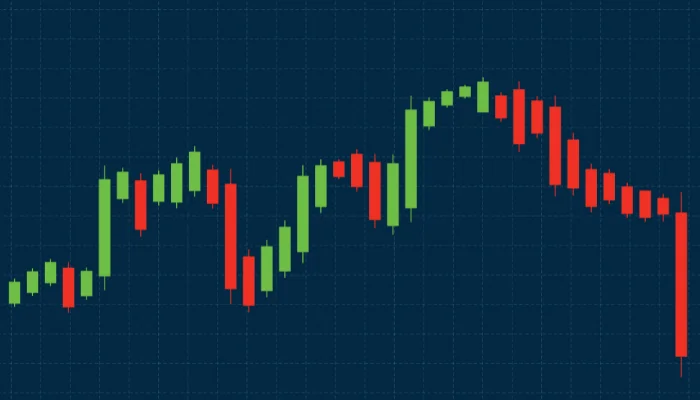
Candlestick patterns are visual price signals that help crypto traders identify market reversals and momentum shifts. The five most essential patterns for crypto traders are Three White Soldiers, Doji, Engulfing Patterns, Hammer, and the Perfect Dragonfly Doji each offering distinct clues about where price may move next. Reading a crypto chart for the first time can feel overwhelming. Dozens of red and green bars stack up across your screen, and it’s not immediately clear what any of it means. But hidden within that noise are repeating patterns candlestick formations that traders have used for centuries to anticipate price movements. Candlestick charts originated in 18th-century Japan, developed by rice trader Munehisa Homma to track market sentiment. Today, crypto platforms like Filsx and Fillyx surface these same patterns in real time, giving traders a powerful edge in fast-moving markets. This guide breaks down five of the most important candlestick patterns for crypto trading. Whether you’re analyzing Bitcoin, Ethereum, or an emerging altcoin, understanding these formations can sharpen your entries, exits, and overall decision-making. What Are Candlestick Patterns and Why Do They Matter for Crypto? Each candlestick represents a specific time period one minute, one hour, one day and captures four data points: the open, close, high, and low price. The body of the candle shows the range between open and close, while the wicks (or shadows) show the extremes. Patterns form when two or more candlesticks arrange in a recognizable way. These arrangements reflect shifts in buyer and seller sentiment and in crypto, where markets run 24/7 and volatility is high, spotting these shifts early can make a meaningful difference to your results. Platforms like Filsx and Fillyx make it easier to identify these patterns with built-in charting tools and real-time alerts. But knowing what to look for is half the battle. Three White Soldiers: A Strong Bullish Reversal Signal Three White Soldiers is a three-candle pattern that signals a strong shift from bearish to bullish momentum. It appears after a downtrend and consists of three consecutive long green (bullish) candles, each opening within the body of the previous candle and closing progressively higher. The pattern tells a clear story: buyers are stepping in with conviction, session after session, pushing prices higher with little resistance. In crypto markets, where sentiment can flip quickly, Three White Soldiers is one of the more reliable indicators of a sustained upward move. What to watch for: Each candle should have a small or nonexistent upper wick. Large wicks signal hesitation and weaken the pattern’s reliability. Doji: When the Market Can’t Make Up Its Mind A Doji forms when the open and close prices are nearly identical, resulting in a very small body with wicks extending in both directions. Visually, it looks like a cross or plus sign. Doji candles represent indecision. Neither buyers nor sellers managed to gain control during that period and in crypto, that kind of standoff often precedes a significant move in either direction. Doji patterns are most meaningful in context. A Doji appearing after a long uptrend can signal exhaustion and a potential reversal. The same pattern mid-trend carries much less weight. Traders using Filsx and Fillyx often use Doji signals in combination with volume data and support/resistance levels to improve accuracy. Engulfing Patterns: Momentum Shifts in Two Candles Engulfing patterns are two-candle formations that signal a shift in market control. There are two types: Bullish Engulfing: A small red candle is followed by a larger green candle that completely engulfs the previous candle’s body. This indicates buyers have overtaken sellers and a price increase may follow. Bearish Engulfing: The opposite—a small green candle followed by a larger red candle that engulfs it, suggesting sellers have taken control. The key word is “engulfs.” The second candle must fully cover the body of the first—not just partially overlap it. When this condition is met at a key support or resistance level, the signal carries significantly more weight. Engulfing patterns are among the most widely watched formations on platforms like Fillyx, largely because they’re easy to spot and tend to appear at meaningful turning points in the market. Hammer: A Reversal Signal Built on Rejection The Hammer is a single-candle pattern with a small body at the top and a long lower wick—typically at least twice the length of the body. It appears after a downtrend and signals that sellers pushed prices sharply lower during the session, but buyers stepped in and drove the price back up before the close. That long lower wick is the defining feature. It represents a rejection of lower prices, which is exactly why the Hammer is considered a bullish reversal signal. The longer the wick relative to the body, the stronger the rejection and the more meaningful the pattern. Bullish Hammer vs. Hanging Man: The same candlestick shape appearing after an uptrend is called a Hanging Man and carries a bearish implication. Context matters enormously with this pattern. For crypto traders monitoring shorter timeframes on Filsx, the Hammer is a particularly useful pattern because crypto assets frequently test key support levels before bouncing sharply. Perfect Dragonfly Doji: Precision Reversal at Its Best The Perfect Dragonfly Doji is a specialized candlestick where the open, high, and close prices are all at (or very near) the same level, with a long lower wick and virtually no upper wick. The result is a T-shaped candle. This pattern is a more precise version of the Hammer. The “perfect” qualifier means there’s almost no body at all the open and close are essentially identical. Sellers drove the price down aggressively, but buyers clawed it back entirely to the opening level, leaving no trace of a body. When the Perfect Dragonfly Doji appears at a well-established support zone, it’s one of the cleaner reversal signals available to crypto traders. Its specificity is also its limitation it doesn’t appear often. But when it does, traders on platforms like Fillyx and Filsx tend to pay close attention. How to Use Candlestick Patterns Effectively in Crypto