
How Does Bitcoin Work? A Simple Guide to the World’s First Cryptocurrency
Bitcoin has become one of the most talked-about innovations of the 21st century. From headlines about skyrocketing prices to debates about its future, Bitcoin continues to capture global attention. But beyond the hype, many people still ask a simple question: How does Bitcoin actually work? This guide breaks down Bitcoin in a clear, beginner-friendly way—no technical background required. What Is Bitcoin? Bitcoin is a type of digital currency, also known as a cryptocurrency. Unlike traditional money issued by governments (like dollars or rupees), Bitcoin operates without a central authority such as a bank or government. Instead, it relies on a decentralized network of computers around the world. These computers work together to process transactions, maintain records, and ensure everything runs smoothly. In simple terms, Bitcoin is: Digital (it exists only online) Decentralized (no single entity controls it) Peer-to-peer (you can send it directly to others) The Problem Bitcoin Solves Before Bitcoin, digital payments always required a trusted middleman—like a bank or payment service—to verify transactions. This created several issues: Fees: Intermediaries charge for their services Delays: Transfers can take hours or days Control: Institutions can block or reverse transactions Bitcoin removes the need for a middleman by using technology to create trust instead. The Blockchain: Bitcoin’s Backbone At the heart of Bitcoin is something called the blockchain. A blockchain is a digital ledger (a record book) that stores all Bitcoin transactions ever made. Instead of being stored in one place, this ledger is shared across thousands of computers worldwide. How It Works: When a transaction occurs, it gets grouped with others into a “block.” Each block is linked to the previous one, forming a chain—hence the name “blockchain.” Once added, the data cannot easily be changed. This structure makes Bitcoin secure, transparent, and resistant to tampering. What Happens When You Send Bitcoin? Let’s say you want to send Bitcoin to a friend. Here’s what happens step-by-step: 1. Transaction Creation You use a digital wallet to send Bitcoin to your friend’s address. This address is like an account number. 2. Broadcasting The transaction is broadcast to the Bitcoin network, where it waits to be confirmed. 3. Verification Network participants verify that: You actually own the Bitcoin You haven’t already spent it elsewhere 4. Inclusion in a Block Verified transactions are grouped into a block. 5. Confirmation Once the block is added to the blockchain, your transaction is considered confirmed. This entire process usually takes around 10 minutes, though it can vary depending on network activity. Mining: How Bitcoin Transactions Are Confirmed Bitcoin relies on a process called mining to validate transactions and add new blocks to the blockchain. What Is Mining? Mining involves powerful computers solving complex mathematical puzzles. When a puzzle is solved: A new block is added to the blockchain The miner is rewarded with newly created Bitcoin Why Is Mining Important? Mining serves two key purposes: Secures the network by making it hard to manipulate Creates new Bitcoin in a controlled manner Bitcoin Supply: Why It’s Limited One of Bitcoin’s most unique features is its fixed supply. There will only ever be 21 million Bitcoin in existence. This scarcity is built into the system and cannot be changed. Why Does This Matter? It prevents inflation caused by excessive money printing It creates digital scarcity, similar to precious metals It influences Bitcoin’s value over time As more people adopt Bitcoin, its limited supply could make it more valuable. Digital Wallets: Storing Your Bitcoin To use Bitcoin, you need a digital wallet. This is where your Bitcoin is stored. Types of Wallets: Hot wallets: Connected to the internet (mobile apps, web wallets) Cold wallets: Offline storage (hardware devices, paper wallets) Each wallet contains two important components: Public key: Like your bank account number (you share this) Private key: Like your password (you must keep this secret) If someone gets access to your private key, they can control your Bitcoin. Security: Why Bitcoin Is Hard to Hack Bitcoin is considered highly secure due to its design. Key Security Features: Decentralization: No single point of failure Cryptography: Advanced math protects transactions Consensus mechanisms: Network agreement prevents fraud To alter a transaction, an attacker would need to control a majority of the network’s computing power—something extremely difficult and expensive. Advantages of Bitcoin Bitcoin offers several benefits compared to traditional financial systems: 1. Financial Freedom You can send and receive money without needing approval from a bank. 2. Lower Fees Transactions can be cheaper, especially for international transfers. 3. Transparency All transactions are recorded on the blockchain and can be viewed publicly. 4. Accessibility Anyone with internet access can use Bitcoin—no bank account required. Challenges and Limitations Despite its advantages, Bitcoin is not perfect. 1. Price Volatility Bitcoin’s value can rise or fall dramatically in a short time. 2. Scalability The network can handle only a limited number of transactions per second. 3. Energy Consumption Mining requires significant computational power, which uses electricity. 4. Regulation Uncertainty Governments are still figuring out how to regulate cryptocurrencies. Is Bitcoin Anonymous? Bitcoin is often described as anonymous, but that’s not entirely accurate. Instead, it is pseudonymous. Transactions are linked to addresses, not real names However, these addresses can sometimes be traced back to individuals So while Bitcoin offers more privacy than traditional banking, it is not completely anonymous. Real-World Uses of Bitcoin Bitcoin is used in several ways today: 1. Payments Some businesses accept Bitcoin for goods and services. 2. Investment Many people buy Bitcoin hoping its value will increase. 3. Remittances It can be used to send money across borders quickly. 4. Store of Value Some view Bitcoin as “digital gold” due to its limited supply. The Future of Bitcoin Bitcoin is still evolving. Developers are working on improvements to make it faster, cheaper, and more scalable. New technologies and layers are being built on top of Bitcoin to enhance its capabilities. Meanwhile, institutions and governments are increasingly paying attention to its potential. Whether Bitcoin becomes a global currency, a store of value, or something
Oil is now the hottest topic on Crypto Twitter

Crypto Twitter once focused on tokens, memes, and short term price moves. The tone changed. Oil prices now appear in daily threads. Traders post crude charts next to Bitcoin charts. The discussion shifted toward macro signals. This shift reflects a change in how crypto traders read markets. Energy prices influence inflation, interest rates, and liquidity. Each factor moves crypto markets. If you trade or invest in crypto, oil deserves attention. Why oil sits at the center of Crypto Twitter Oil drives the global economy. Transport, manufacturing, and agriculture depend on fuel. When oil prices rise, production costs rise across many sectors. Inflation follows. Central banks respond with higher interest rates. Liquidity shrinks in financial markets. Crypto markets react fast to these conditions. During the inflation surge in 2022, oil traded above 100 dollars per barrel. Inflation in the United States moved above 8 percent. The Federal Reserve raised interest rates at the fastest pace in decades. Bitcoin fell from near 69000 to below 20000 during the same period. Traders noticed the connection. Oil charts began to appear across Crypto Twitter. Oil as a macro signal Experienced traders track macro indicators before entering positions. Oil stands among the strongest signals. Demand for oil reflects economic activity. High demand suggests growth. Weak demand signals slowdown. Crypto traders compare several indicators with oil prices. Brent crude price • United States inflation data • Treasury yields • Bitcoin price movement These signals provide context for market conditions. When oil rises and inflation follows, interest rate pressure often increases. Risk assets tend to struggle during those periods. Energy costs influence Bitcoin mining Bitcoin mining depends on electricity. Mining hardware consumes large amounts of energy. Energy prices influence mining profitability. When electricity prices rise, operational costs rise. Oil plays a role in many electricity markets. Fuel prices affect power generation costs across several regions. Mining companies adjust operations during energy spikes. Relocate to regions with lower electricity prices • Reduce operations during peak energy demand • Secure long term power agreements The Cambridge Bitcoin Electricity Consumption Index estimates global Bitcoin electricity demand near 100 to 140 terawatt hours each year. Energy price changes affect the cost structure behind this network. Traders monitor oil markets to estimate pressure on miners. Institutional traders changed the conversation Institutional capital entered crypto markets during the past few years. Hedge funds and professional traders analyze multiple asset classes. Crypto markets now move within a larger financial system. Oil sits among the most watched commodities. Large funds track oil together with currency markets and bond yields. Crypto Twitter reflects this shift. You now see threads comparing: Bitcoin price action • Oil price movement • Dollar strength • Bond yields This cross market analysis once belonged to traditional finance. The discussion moved into crypto communities. Geopolitics pushes oil into crypto discussions Oil prices react fast to geopolitical events. Supply disruptions and production decisions move prices within hours. Examples from recent years show the impact. The Russia Ukraine conflict pushed oil above 100 dollars per barrel. Energy supply concerns spread across Europe. Inflation pressure increased across global markets. Risk assets sold off during the same period. Crypto traders now watch geopolitical events through the lens of energy markets. Oil inventory reports, OPEC meetings, and global supply updates appear in many Crypto Twitter threads. Tokenized commodities attract interest Blockchain developers explore commodity tokenization. Oil often appears in these discussions. Tokenization converts real world commodities into blockchain based assets. Each token represents a unit of a physical resource. Developers promote several advantages. Faster settlement • Transparent ownership records • Global access to commodity markets The concept remains early. Crypto Twitter tracks each new project and partnership. Interest in oil tokenization grows during periods of high commodity prices. Why traders compare oil and Bitcoin Traders search for leading signals. Oil often moves before broader financial markets. Strong oil demand suggests economic expansion. Weak demand signals slowing growth. Crypto traders test these signals against Bitcoin price movement. You often see two charts in the same post. The first shows oil price movement. The second shows Bitcoin. Traders attempt to identify timing patterns between them. Sometimes oil leads inflation trends. Inflation trends influence central bank policy. Central bank policy influences liquidity across markets. Liquidity often drives crypto market cycles. Practical steps for crypto investors Oil data adds context to crypto market analysis. You do not need advanced tools to track the signal. Focus on a few indicators. Brent crude oil price • United States inflation reports • Federal Reserve interest rate decisions • Bitcoin market structure Several public tools provide these data points. Trading View offers crude oil charts. Federal Reserve Economic Data publishes macro indicators. Energy Information Administration releases weekly oil inventory reports. Review these signals before making trading decisions. Risks of following Crypto Twitter narratives Crypto Twitter spreads information fast. Many threads rely on short term correlations. Popularity does not equal accuracy. Common mistakes appear often. Matching charts without strong data support • Ignoring long term economic trends • Treating temporary correlations as permanent relationships A disciplined approach improves decision quality. Focus on verified data. Compare multiple indicators before forming conclusions. FAQs Why does oil trend on Crypto Twitter Oil influences inflation and economic activity. Crypto traders track these signals to anticipate liquidity changes. Does oil price affect Bitcoin Oil affects inflation and interest rate policy. These factors influence liquidity in financial markets. Bitcoin often reacts to liquidity shifts. Why energy costs matter for crypto mining Mining hardware consumes large amounts of electricity. Rising energy prices increase operating costs for mining companies. Should crypto traders watch oil prices Oil reflects economic demand and inflation pressure. These signals provide useful context for crypto market conditions. Crypto discussions continue to evolve. Oil now appears in daily market analysis across Crypto Twitter. Traders who follow macro signals gain stronger context for market cycles. Track oil prices. Study inflation data. Compare these signals with Bitcoin trends. This approach improves awareness of the forces moving crypto markets.
What Is a Cryptocurrency White Paper? A Guide for Beginners
A cryptocurrency white paper is the core document behind every serious crypto project. It explains what the project does, how the technology works, and why it exists. Investors read it before they buy tokens. Developers read it before they build. New users read it to decide if a project is real or just hype. The term became famous in 2008. That year, Satoshi Nakamoto released the Bitcoin white paper. The document had only nine pages. It described a peer to peer payment system that removed banks from online transactions. Today, thousands of crypto projects publish white papers before launch. This guide explains what a cryptocurrency white paper is, what it contains, and how you can read one with confidence. The Basic Meaning of a Cryptocurrency White Paper A cryptocurrency white paper is a detailed report. It describes a blockchain project in clear terms. It presents a problem and then offers a technical answer. The document works like a business plan and a technical manual combined. It tells readers: what the project wants to build how the system works why the token has value Most white papers range from 15 to 40 pages. Some large projects publish documents that exceed 100 pages. Why White Papers Matter in Crypto Crypto markets run on trust and research. There is no central regulator that checks every new token. The white paper fills that gap. A strong white paper helps readers: understand the goal of the project study the technology review the token supply check the team and roadmap Investors often decide within minutes if a project deserves deeper research. The white paper is the first test. Can a project succeed without a white paper? The short answer is no. Serious investors avoid projects that lack clear documentation. The Origin: The Bitcoin White Paper The Bitcoin white paper appeared on 31 October 2008. Its title was Bitcoin: A Peer to Peer Electronic Cash System. It explained how people can send money online without a bank. The paper introduced: blockchain as a public ledger proof of work for security a fixed supply of 21 million coins These ideas created a new financial system. Every modern crypto white paper follows the same basic structure. Key Parts of a Cryptocurrency White Paper Not all white papers look the same, but most include the same core sections. Problem Statement The document starts with a clear issue. It may address slow payments, high fees, data control, or lack of privacy. A strong paper explains the problem with facts and numbers. The Proposed Solution This section shows how the project will solve the problem. It describes the platform, the network, and the user experience. Technology and Architecture Here the team explains how the blockchain works. It may cover: consensus method smart contracts scalability model security design Technical readers focus on this part. Tokenomics Tokenomics describes the economic model of the coin. It answers key questions: total supply distribution plan use of funds rewards and fees For example, Ethereum sold about 60 million ETH during its 2014 sale. That early distribution shaped its market for years. Roadmap The roadmap shows the timeline. It lists past progress and future goals with target dates. Team and Advisors This section shows the people behind the project. Real names and verified experience build trust. How to Read a Crypto White Paper You do not need to be a developer to read a white paper. Start with the problem and the solution. Then move to the token model. Look for clear language. Watch for real numbers and working products. Be careful with documents that make large promises without proof. Red flags include: no working prototype anonymous team vague technical claims unrealistic price predictions Benefits for Investors and Users A white paper helps investors study risk. It shows if the token has real utility. It shows how funds will be used. Developers use the paper as a blueprint. Community members use it to learn the long term vision. In 2021, many projects raised millions of dollars within minutes. The projects with detailed white papers attracted the most attention. White Paper vs Litepaper Some projects publish a litepaper. This is a short version of the main document. It explains the idea in simple language. A white paper is technical and detailed. A litepaper is short and easy to read. Both serve different readers. Limits of Crypto White Papers A white paper is not a guarantee of success. Some projects publish strong documents but fail to deliver. The document is a plan. The real test is the working product and active users. Famous Examples The most respected white papers include: Bitcoin Ethereum Polkadot Each one introduced new technology and clear use cases. How Founders Write a Strong White Paper Teams that plan to launch a token must write a clear and honest document. The best papers use simple language, charts, and real data. Explain funding allocation in exact percentages, provide a realistic development timeline, publish code on public repositories. Where to Find Cryptocurrency White Papers You can find white papers on the official website of each project. Trusted data platforms such as CoinMarketCap and CoinGecko link to them. Always download the document from the official source. Fake copies exist. Final Thoughts A cryptocurrency white paper is the foundation of every serious blockchain project. It explains the idea, the technology, and the economic model in one place. Investors use it to study risk. Developers use it to guide development. New users use it to learn before they join a network. If you plan to invest in crypto, read the white paper first. It takes less than an hour for most projects. That time can protect your money and help you find strong opportunities. Start with Bitcoin’s nine page document. Then compare it with modern projects. You will see how the industry has grown and where it is heading next.
How Long for Cardano Transactions to Finalize? Complete ADA Confirmation Guide (2026)
Cardano remains one of the most advanced proof-of-stake blockchains in 2026, known for scalability, energy efficiency, and predictable transaction speeds. Yet one of the most searched questions among users is: how long for cardano transactions to finalize? In this comprehensive guide, we explain exactly how long ADA transfers take, what affects confirmation times, how long crypto transactions can remain pending, and how to ensure faster processing when using FillyX exchange. Read ou blog on how to mine cardano How Long for Cardano Transactions to Finalize? Under normal network conditions, Cardano transactions typically finalize within 20 seconds to 2 minutes. Cardano’s ouroboros proof-of-stake protocol processes blocks approximately every 20 seconds, meaning: Most transactions receive initial confirmation within one block. Exchanges usually require 10–20 confirmations for full settlement. Total completion time ranges between 1–5 minutes in most cases. Finality on Cardano is deterministic, meaning once confirmed, transactions cannot be reversed. How long do Cardano transfers take? When asking how long do Cardano transfers take, the answer depends on the destination: Transfer Type Estimated Time Wallet to Wallet 20 seconds – 2 minutes Wallet to Exchange (e.g., FillyX) 1 – 5 minutes Exchange to Wallet 2 – 10 minutes (processing dependent) FillyX processes ADA deposits rapidly once the required confirmations are completed. How Long Does It Take for ADA to Transfer Between Exchanges? For users moving ADA between exchanges: Blockchain confirmation: 1–5 minutes Sending exchange processing: 1–10 minutes Receiving exchange credit time: depends on confirmation requirements On FillyX, ADA deposits are credited promptly after network confirmations, ensuring smooth trading access. How Long Can a Crypto Transaction Be Pending? A crypto transaction can remain pending due to: Network congestion Low transaction fees (rare on Cardano due to predictable fees) Exchange internal processing delays On Cardano specifically, pending transactions are uncommon compared to other networks because: Transaction fees are stable Block production is consistent There is no miner competition like proof-of-work systems Most ADA transactions finalize quickly unless manually delayed by an exchange. How Long Does It Take Blockchain to Confirm a Transaction? For Cardano: Block time: ~20 seconds Practical finality: 1-2 confirmations Exchange-required confirmations: 10-20 Compared to other major blockchains: Blockchain Avg Confirmation Time Cardano 20 sec – 2 min Bitcoin 10 – 60 min Ethereum 1 – 5 min Cardano offers significantly faster and more predictable confirmations. What Affects Cardano Transaction Speed? Several factors influence how long for Cardano transactions to finalize: Network Activity Exchange Confirmation Requirements Wallet Sync Status Node Connectivity FillyX integrates optimized node infrastructure to ensure faster ADA processing and deposit recognition. Why Cardano Transactions Are Predictable Cardano’s Ouroboros protocol ensures: Scheduled block production Energy-efficient validation Reduced transaction fee volatility Deterministic finality This makes ADA transfers reliable for traders and investors. How to Ensure Faster ADA Transfers To avoid delays: Use updated wallets Double-check receiving addresses Monitor network status Use exchanges like FillyX with optimized infrastructure FillyX supports seamless ADA deposits and withdrawals with transparent confirmation tracking. Trade and Transfer ADA Seamlessly with FillyX If you are moving ADA for trading, staking, or portfolio diversification, speed and reliability matter. FillyX ensures: Fast ADA deposits Secure withdrawals Real-time transaction tracking Low trading fees Institutional-grade security Final Thoughts Understanding how long for Cardano transactions to finalize allows users to manage transfers confidently and efficiently. With block confirmations occurring approximately every 20 seconds and exchange settlement within minutes, ADA remains one of the fastest major cryptocurrencies for transfers. Start Trading ADA Today Experience rapid ADA confirmations and secure crypto trading with FillyX Exchange. Create your FillyX account now and enjoy seamless Cardano transactions with professional-grade infrastructure. Frequently Asked Questions How long for Cardano transactions to finalize? Typically between 20 seconds and 5 minutes depending on confirmations required. How long do Cardano transfers take? Wallet-to-wallet transfers usually complete within 1–2 minutes. How long does it take for ADA to transfer? Most ADA transfers complete within a few minutes under normal conditions. How long can a crypto transaction be pending? On Cardano, pending transactions are rare and usually resolve within minutes unless exchange processing causes delay. How long does it take blockchain to confirm a transaction? On Cardano, confirmations occur every ~20 seconds per block.
Why Is XRP Dropping? Serious Factors Affecting XRP Growth

The question why is XRP dropping fills search trends every time the price turns red. Traders watch the chart by the minute. Long-term holders track court news, adoption data, and whale wallets. Price swings create fear, but they often follow clear patterns. This guide explains the real forces behind the decline and what they mean for the future of XRP. You can also read Fillyx trending blog Is XRP the Next Bitcoin? XRP price action in the current market XRP moves with the wider crypto market. Bitcoin leads most rallies and most drops. A 5 percent fall in Bitcoin often pulls altcoins lower. XRP shows this link in every cycle since 2017. Short-term drops often match spikes in liquidations. In early 2026, several exchanges reported large long liquidations during sharp hourly declines. That event pushed the price through key support zones. Search traffic rises for why is XRP dropping today during these fast moves. The cause often sits in market structure and not in project news. Why is XRP dropping this week Weekly declines usually come from combined pressure. Bitcoin trades in a range Capital flows into new narratives such as AI tokens Profit taking after a rally XRP gained more than 60 percent in late 2024. A pullback after a rally of that size is normal. Markets move in waves and not in straight lines. Do retail traders control this trend? No. Blockchain data shows that wallets holding over 10 million XRP move the price with large transfers to exchanges. Those transfers signal selling intent and short-term weakness. The impact of the SEC case and legal clarity The legal battle between Ripple and the U.S. Securities and Exchange Commission shaped XRP price action since December 2020. Key dates moved the chart: December 2020: lawsuit filing and exchange delistings July 2023: partial court ruling that boosted price above 0.80 USD Ongoing appeals that created fresh uncertainty Institutional money waits for clear rules. Funds avoid assets with legal risk. That delay slows demand and limits strong rallies. Whale activity and exchange flows Large holders track liquidity and sentiment. They send tokens to exchanges near resistance levels. This action increases supply on order books. Price falls under that pressure. On-chain platforms recorded several transfers above 100 million XRP in recent months. Each event matched a short-term dip. Retail traders often react late. They sell after the drop. That behavior deepens the decline. Profit taking after strong rallies Every rally ends with profit taking. XRP rose from under 0.50 USD to above 0.90 USD in one major move. Early buyers locked gains near resistance. This cycle repeats in every market: Early buyers accumulate News creates momentum Late buyers enter Early buyers sell This pattern answers many searches for why is XRP dropping this week. Macroeconomic pressure on crypto Interest rate policy affects risk assets. Higher rates pull capital into bonds and cash. Crypto loses liquidity during those periods. The US dollar index reached multi-month highs several times in 2025. Crypto markets fell during the same weeks. XRP followed that trend. Inflation data and central bank statements create fast moves. Traders adjust positions within minutes of those releases. Network activity and real use XRP serves cross-border payments. Adoption data influences long-term value. Transaction counts and active addresses show real demand. Periods with flat network growth often match slow price action. Strong growth supports rallies. Partnership announcements create short spikes. Sustained usage drives long trends. Technical signals that show bearish pressure Technical analysis reveals market psychology. Key elements include: Support zones near previous consolidation areas Resistance near heavy sell walls The 200-day moving average as a trend guide A break below the 200-day average often triggers algorithmic selling. That event happened several times in the last two years. The relative strength index below 40 shows weak momentum. XRP entered that zone during recent drops. Can technical signals alone control price? No. They reflect trader behavior and liquidity. XRP versus other altcoins Capital rotates fast in crypto. New sectors attract attention and funding. Meme tokens, gaming tokens, and AI tokens pulled volume away from older assets in 2025 and 2026. XRP kept a large market cap but lost share of total trading volume during those rotations. Lower volume reduces breakout strength. Is XRP a good investment after the drop Long-term value depends on utility and adoption. Bullish factors include: Fast settlement time under five seconds Low transaction cost Banking partnerships in Asia and the Middle East Bearish factors include: Regulatory delays in the United States Strong competition from stablecoin networks Market cycles that favor newer narratives Many investors search is XRP a good investment after each decline. The answer sits in time horizon. Short-term traders focus on volatility. Long-term holders focus on adoption and legal clarity. Market sentiment and social data Social media trends lead retail behavior. A spike in negative posts often matches local bottoms. Extreme optimism often appears near tops. Search volume for why is XRP dropping reached yearly highs during major dips. That pattern shows fear and not fundamental collapse. The crypto fear and greed index dropped into the fear zone several times in 2025. XRP formed local lows during those periods. What must happen for a strong recovery Four events can drive a sustained rally: Final legal clarity in the United States New institutional products that include XRP Growth in cross-border payment usage A full crypto bull cycle led by Bitcoin A break above long-term resistance near previous highs would change market structure. That move would attract trend traders and new capital. Practical steps for investors during a drop Investors use simple risk control rules: Set position size before entry Avoid emotional selling during spikes in volatility Track on-chain data for whale movement Follow macroeconomic calendars These steps reduce panic during sharp declines. Conclusion XRP drops follow clear drivers. Market cycles, legal news, whale transfers, and macro pressure shape every move. Short-term fear often hides long-term progress. Traders who track data and not emotion make better decisions. Long-term holders watch adoption
Is XRP the Next Bitcoin – 2026 Insights

Crypto investors ask one question again and again. Is XRP the next Bitcoin. The answer shapes portfolios and long term plans. Bitcoin leads the market. XRP focuses on fast global payments. Both attract capital. Both solve different problems. You need clear data, cases and risk analysis. This guide gives you each point in simple terms. So, Is XRP Crypto a Good Investment? Understanding Bitcoin and XRP What is Bitcoin? Bitcoin launched in 2009. It runs on a proof of work system. Miners secure the network. Key facts: • Fixed supply of 21 million coins• High decentralization• Strong store of value narrative• Largest market cap in crypto Institutions hold Bitcoin as a hedge. Many investors treat it like digital gold. What is XRP? XRP works on the Ripple network. It focuses on fast and low cost transfers. Key facts: • Transactions settle in seconds• Fees stay low• Designed for banks and payment providers• No mining process XRP targets cross border payments. Bitcoin targets value storage. Core Differences Between XRP and Bitcoin SpeedBitcoin takes minutes. XRP takes seconds. SupplyBitcoin has a capped supply. XRP has a large pre-mined supply. ConsensusBitcoin uses mining. XRP uses validators. Use caseBitcoin stores value. XRP moves money across borders. Market Performance Comparison Historical price movement shows different growth cycles. Bitcoin• Dominates every bull run• Reaches new all time highs• Drives market sentiment XRP• Moves in shorter bursts• Reacts strongly to legal and regulatory news• Shows high volatility Market cap gap stays large. Bitcoin sits at the top. XRP fights for position in the top tier. Liquidity also differs. Bitcoin has deeper liquidity across exchanges. XRP trading volume rises during major announcements. Could XRP Be the New Bitcoin? You need to look at adoption drivers. Institutional partnerships Ripple works with banks and payment firms. This creates real transaction demand. Transaction efficiency XRP settles payments in seconds. Cost stays low even during high network activity. Real world use Cross border transfers form a multi trillion dollar market. XRP targets this sector. Regulatory clarity Legal progress often leads to price expansion. XRP reacts strongly to positive rulings. Is It Better to Invest in Bitcoin or XRP? Your choice depends on your goal. Choose Bitcoin if you want: • Long term store of value• Lower relative risk in crypto• Strong institutional demand Choose XRP if you want: • Higher growth potential• Exposure to payment infrastructure• Faster transaction utility Portfolio strategy matters. Many investors hold both. Bitcoin for stability. XRP for expansion potential. Pros and Cons of XRP as an Investment Advantages • Fast settlement time• Low transaction cost• Strong banking partnerships• High scalability Risks • Regulatory pressure• Centralization concerns• Strong competition from other payment chains Expert Predictions Bullish case for XRP Analysts point to global remittance demand. A small share of this market shifts price fast. Bearish case Bitcoin keeps dominance due to brand strength and network security. Data shows one fact. Bitcoin leads store of value adoption. XRP leads payment speed. Factors Required for XRP to Match Bitcoin Mass adoption by financial institutionsClear global regulationsHigh daily transaction volumeStrong retail demand Without these, the market cap gap stays wide. Why XRP Will Not Replace Bitcoin? Bitcoin has the strongest network effect in crypto. Key advantages: • Highest decentralization level• Strong security model• Institutional trust• Fixed supply narrative These features support long term dominance. FAQs Can XRP reach the price of Bitcoin? Price per coin depends on supply. XRP has a larger supply. Matching Bitcoin price per coin is unrealistic. Is XRP a good long term investment? Growth depends on adoption by banks and payment providers. Legal clarity also plays a major role. What makes XRP different from Bitcoin? Bitcoin stores value. XRP moves money fast across borders. Will XRP overtake Bitcoin in market cap? This requires massive global adoption and a shift in institutional capital. Current data shows Bitcoin far ahead. Should you invest in XRP in 2026? Focus on your risk tolerance. High volatility brings both opportunity and loss. The Future of XRP vs Bitcoin Bitcoin leads as digital gold. XRP focuses on payment infrastructure. Both serve different roles in the crypto economy. Smart investors study use cases. They track adoption data. They manage risk across assets. Want clear crypto insights and data driven strategies for your next move. Start your journey with Fillyx today.
How to Mine Cardano. The Truth About ADA Mining and How to Earn Rewards
Many people search for how to mine Cardano. They want to earn ADA from home. They look for mining software, GPU setups, and profit calculators. Here is the clear answer. You cannot mine Cardano. Cardano does not use mining. It uses a system called Proof of Stake. If you want to earn ADA, you stake it. This guide explains why mining Cardano is not possible and shows you the correct way to earn rewards. Read our related blog post on Bitcoin Short Liquidations Surge in 2026 Is It Possible to Mine Cardano No. You cannot mine Cardano. Bitcoin uses Proof of Work. Miners compete with hardware. They solve complex problems. The winner adds a block and earns rewards. Cardano uses Proof of Stake. There is no mining competition. There are no mining rigs. There is no GPU race. Instead of miners, Cardano has stake pool operators. Instead of hash power, the network uses staked ADA. If you search for Cardano mining software, you will not find any official tool. If a site claims you can mine ADA with a GPU or ASIC, treat it as a red flag. You can also read Is American Bitcoin a Good Investment Why Cardano Does Not Use Mining Cardano launched with energy efficiency in mind. Proof of Work networks consume large amounts of electricity. Bitcoin mining uses more electricity than some countries. Estimates from the Cambridge Bitcoin Electricity Consumption Index show annual usage above 100 terawatt hours. Cardano avoids this model. The network runs on Ouroboros, a Proof of Stake protocol. Validators get selected based on the amount of ADA they stake and delegate. The system does not require heavy hardware. Key differences between mining and staking: Mining: • Requires ASIC or GPU hardware• High electricity costs• Competitive race for rewards• Ongoing hardware upgrades Staking: • Requires ADA holdings• Low energy use• No hardware arms race• Predictable reward cycles If your goal is passive income from Cardano, staking is the path. How Cardano Proof of Stake Works Cardano divides time into epochs and slots. An epoch lasts five days. Each epoch contains many slots. A slot leader gets chosen to produce a block. Selection depends on stake size and delegation. You do not need to run a server to earn rewards. You delegate your ADA to a stake pool. The pool operator manages infrastructure. You keep control of your coins in your wallet. Your ADA never leaves your wallet during delegation. You retain ownership at all times. How Much Can You Earn by Staking Cardano Cardano staking rewards vary based on network parameters and pool performance. Average annual return ranges between 3 percent and 5 percent. This figure changes with total network stake and pool fees. Example: If you stake 10,000 ADA and the average return is 4 percent per year, you earn about 400 ADA annually before price changes. Rewards distribute every epoch, which means every five days. There is no lockup period. You can move or sell your ADA at any time. When you transfer funds out of your wallet, the staking amount updates automatically. How to Earn Cardano Instead of Mining If you searched for how to mine Cardano, follow these steps instead. Step 1. Buy ADA You need ADA to stake. Popular exchanges include: • Coinbase• Binance• Kraken• Bitstamp Create an account. Complete identity verification. Deposit funds. Buy ADA. Transfer your ADA to a private wallet. Do not leave large amounts on exchanges. Step 2. Choose a Cardano Wallet You need a wallet that supports staking. Common options: DaedalusThis is a full node desktop wallet. It downloads the entire blockchain. Setup takes time and disk space. YoroiThis is a light wallet. Available as a browser extension and mobile app. Fast setup. Ledger with Cardano supportHardware wallet for stronger security. You connect it to Yoroi or other compatible interfaces. For long term holdings, a hardware wallet offers stronger protection. Step 3. Delegate to a Stake Pool Open your wallet. Navigate to the staking or delegation section. You will see a list of stake pools. Evaluate pools using these criteria: • Pool uptime• Performance history• Saturation level• Margin fee• Fixed fee Avoid pools near full saturation. When a pool exceeds the saturation threshold, rewards decrease. Choose a pool with consistent block production and reasonable fees. Confirm delegation in your wallet. Pay a small transaction fee and a refundable deposit. Step 4. Start Receiving Rewards After delegation, rewards start after a few epochs. There is a delay built into the protocol. You begin earning within about 15 to 20 days. Rewards appear in your wallet automatically. Your ADA compounds if you leave rewards in the wallet. Future rewards calculate on the total balance. Cardano Mining Hardware. Does It Exist No official Cardano mining hardware exists. You will not find: • Cardano ASIC miners• Cardano GPU mining rigs• Cardano mining pools If a website promotes ADA cloud mining contracts, review carefully. Many cloud mining schemes target beginners who do not understand Proof of Stake. Cardano never supported GPU mining. Ethereum moved from Proof of Work to Proof of Stake in 2022. Cardano launched as Proof of Stake from the beginning. If you own mining hardware, you cannot repurpose it to mine ADA. What to Do If You Want to Mine Crypto and Hold ADA You have two options. Option one. Mine another cryptocurrency. Convert earnings into ADA. Examples of mineable coins: • Bitcoin with ASIC hardware• Litecoin with ASIC hardware• Kaspa with GPU• Ravencoin with GPU After mining, send rewards to an exchange. Trade for ADA. Withdraw to your wallet. Stake for additional yield. Option two. Skip mining. Buy ADA directly. Stake. Mining involves electricity, hardware costs, cooling, and maintenance. Many home miners struggle with profit margins when energy costs rise. Is Staking Cardano Safe Staking on Cardano carries lower risk compared to lending platforms. You keep custody of your ADA. There is no lockup. There is no transfer of ownership to a third party. Risks include: • ADA price volatility• Choosing a
How Blockchain Platforms Ensure Institutional Grade Security

How blockchain platforms ensure institutional grade security has become a central question for banks, asset managers, hedge funds, and corporations entering crypto markets. Institutions manage billions in digital assets. A single breach leads to financial loss, legal action, and reputational damage. You need more than basic wallet protection. You need layered security, strict governance, and verified infrastructure. Modern blockchain platforms address these demands through cryptography, custody controls, compliance systems, and continuous monitoring. This article explains how they do it and what you should look for. Read our blog Bitcoin Short Liquidations Surge What institutional grade security means in crypto Institutional grade security refers to enterprise level safeguards designed for large capital exposure. Retail security focuses on individual accounts. Institutional security focuses on infrastructure. Key requirements include: • Segregated custody for client assets• Multi layer access controls• Regulatory compliance integration• Real time monitoring and logging• Independent audits and certifications• Disaster recovery planning Institutions demand audit trails. They demand role based permissions. They demand formal risk management frameworks. Blockchain platforms built for enterprise adoption address these needs directly. Advanced cryptography protects digital assets Cryptography sits at the core of blockchain security. Platforms rely on public key cryptography to secure transactions. Each user controls a private key. Without that key, no transaction moves funds. Institutional platforms strengthen this model through multi party computation. MPC splits private keys into encrypted fragments. No single party holds the full key. Attackers cannot access funds even if one node is compromised. Zero knowledge proofs improve privacy while preserving verification. Institutions verify transactions without exposing sensitive data. This reduces data leakage risk in high value transfers. Strong encryption standards such as AES 256 and SHA 256 protect stored data and transaction hashes. These standards align with financial industry practices. You should confirm which encryption protocols your platform uses. Multi signature controls reduce internal risk Internal fraud remains a major risk for financial institutions. Multi signature wallets reduce this exposure. A multi signature wallet requires multiple approvals before funds move. For example: • Three executives hold signing authority• Two signatures required per transaction• No single individual controls transfers This structure prevents unilateral withdrawals. It enforces internal policy at the protocol level. Many institutional custody providers combine multi signature with hardware security modules. HSMs store keys in tamper resistant hardware. Physical attacks fail because keys never leave the secure module. If you evaluate a platform, ask: • How many signatures required per transfer• Where private keys stored• Whether HSMs are certified under FIPS standards Secure custody infrastructure Custody remains the largest security concern for institutions. Billions have been lost through exchange hacks and custodial failures. Institutional blockchain platforms rely on layered custody models: Cold storage Assets stored offline. No internet connection. Reduced attack surface. Warm storage Limited online exposure for operational liquidity. Hot wallets Used for active trading with strict limits. A common allocation model looks like this: • 95 percent in cold storage• 4 percent in warm wallets• 1 percent in hot wallets Cold storage keys stored in geographically distributed vaults. Some providers distribute key shards across multiple countries. This prevents a single point of failure. Leading custody providers also carry crime insurance coverage. Policies cover internal fraud and external hacking events. You should review policy limits and exclusions. Consensus mechanisms strengthen network security Blockchain networks secure transactions through consensus algorithms. Institutional investors pay close attention to this layer. Proof of Work networks such as Bitcoin rely on computational power. Attackers must control more than 50 percent of network hash rate to manipulate transactions. The cost runs into billions of dollars in hardware and energy. Proof of Stake networks require validators to stake tokens. If validators act maliciously, the network slashes their stake. Financial penalties discourage attacks. Some enterprise blockchains use Byzantine Fault Tolerant consensus. These systems tolerate a portion of malicious nodes without network failure. When assessing blockchain security, examine: • Network size and decentralization• Validator distribution• Historical uptime• Economic cost of attack Large distributed networks offer stronger resistance against manipulation. Smart contract audits prevent code exploits Smart contracts automate transactions. Flawed code leads to major losses. Several high profile hacks exploited coding errors rather than network weaknesses. Institutional grade platforms require: • Independent third party audits• Formal verification methods• Continuous code review• Public audit reports Formal verification uses mathematical proofs to test contract logic. Auditors check for reentrancy attacks, overflow bugs, and access control flaws. Bug bounty programs add another security layer. Ethical hackers report vulnerabilities in exchange for rewards. This crowdsourced model identifies issues before criminals exploit them. You should never deploy capital into unaudited smart contracts. Review audit documentation. Confirm remediation steps were completed. Regulatory compliance and governance controls Institutions operate under regulatory oversight. Blockchain platforms targeting this segment integrate compliance from day one. Common compliance features include: • KYC and AML integration• Transaction monitoring tools• Suspicious activity reporting• Identity verification layers Platforms often align with SOC 2 and ISO 27001 standards. These certifications require documented security controls, risk assessments, and regular audits. Governance also plays a role. Institutional platforms define clear upgrade procedures and change management policies. Unauthorized code changes trigger alerts. Every modification leaves an audit trail. If you manage institutional capital, you must verify: • Certification status• Regulatory licensing• Audit frequency• Incident response policies Real time monitoring and threat detection Threat actors target crypto infrastructure daily. Institutional platforms deploy continuous monitoring systems. Security operations centers track anomalies across nodes and wallets. AI based analytics detect unusual transfer patterns. Alerts trigger immediate investigation. Blockchain analytics tools identify links to sanctioned addresses. Institutions block transfers to flagged wallets automatically. Monitoring systems log every event. Logs support forensic analysis if a breach occurs. You should request documentation on: • 24 hour monitoring coverage• Incident response time targets• Penetration testing frequency Transparent reporting builds trust. Disaster recovery and business continuity planning Downtime leads to financial loss. Institutional grade blockchain infrastructure includes redundancy across regions. Key practices include: • Distributed validator nodes• Redundant data centers• Encrypted backups• Regular recovery drills If one region fails, traffic shifts
Bitcoin Short Liquidations Surge in 2026: What Traders Need to Know
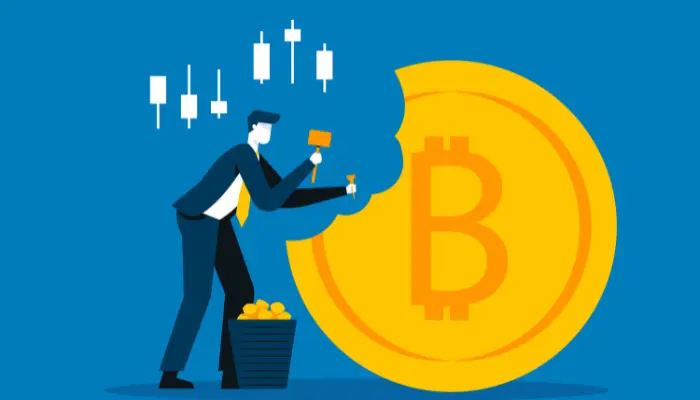
The cryptocurrency market is experiencing a significant shift as bitcoin short liquidations surge in 2026. Traders and investors are witnessing rapid market movements that are reshaping BTC trading strategies. Understanding bitcoin liquidations live, the BTC long/short liquidation map, and the BTC liquidation map is crucial for navigating this volatile environment effectively. FillyX provides real time insights and tools to help traders capitalize on these market trends securely. Read our blog on Is American Bitcoin a Good Investment What are bitcoin short liquidations? Bitcoin short liquidations occur when traders holding short positions fail to maintain their margin requirements due to unexpected price movements, forcing exchanges to automatically close their positions. This surge indicates: Market volatility increasing Unexpected bullish price movements Potential cascading liquidations impacting BTC prices FillyX tracks these liquidations in real-time, providing traders with actionable data to make informed decisions. Understanding bitcoin liquidations live Monitoring bitcoin liquidations live allows traders to react promptly to market shifts. FillyX offers: Real-time liquidation alerts Breakdown of long vs short positions Geographic and exchange based liquidation analytics These insights help traders avoid sudden losses and identify opportunities during high volatility periods. BTC long/short liquidation map explained A BTC long/short liquidation map visualizes open positions and potential liquidation points across exchanges. Key features include: Concentration of short and long positions by price level Potential squeeze zones where mass liquidations may occur Historical liquidation patterns to forecast market behavior This BTC liquidation map provides traders with a clear perspective on market pressures and potential price swings. Factors driving bitcoin short liquidations surge Several factors are driving the surge in short liquidations: Institutional buying pressure: Large-scale purchases create sudden upward price movements, triggering shorts. Market sentiment shifts: Positive BTC news or regulatory clarity leads to unexpected rallies. Algorithmic trading: Automated liquidation algorithms amplify market swings. By monitoring these indicators via fillyX, traders can anticipate market reactions and manage risk proactively. How to use BTC liquidation maps for trading Traders can leverage BTC liquidation maps to enhance their trading performance: Identify potential short squeeze opportunities Adjust stop-loss and margin strategies Predict market corrections based on concentrated liquidation zones Track bitcoin liquidations live to minimize losses FillyX offers a comprehensive platform where traders can access these maps with real-time updates and analytics. Risks of Ignoring short liquidations Ignoring the impact of short liquidations can result in: Sudden account liquidation Loss of leveraged positions Missed trading opportunities By using FillyX’s BTC long/short liquidation map, traders stay ahead of the market, reducing exposure to unexpected losses. FillyX tools to track bitcoin short liquidations FillyX provides advanced tools to monitor and react to the surge in bitcoin short liquidations: Interactive BTC liquidation maps Real-time alerts for high-risk positions Historical data analytics for predictive strategies Secure platform for margin trading and spot trading These features make FillyX the ideal choice for both professional traders and beginners. Conclusion: stay ahead of the market with fillyX The 2026 surge in bitcoin liquidations highlights the importance of tracking bitcoin liquidations live and utilizing BTC long liquidation maps. Traders who leverage these tools can navigate volatility effectively and optimize their trading strategies. Call to action Stay ahead of the market and trade Bitcoin confidently with FillyX exchange. Sign up today to access real-time BTC long/short liquidation maps, live alerts, and secure trading tools to maximize your cryptocurrency profits.
Is American Bitcoin a Good Investment? A Complete 2026 Investor Guide

Cryptocurrency investors often ask: Is American Bitcoin a good investment?The answer depends on market conditions, ownership structure, risk tolerance, and whether you’re investing in Bitcoin itself or in a company associated with it. In this guide, we break down: Who owns American Bitcoin Whether American Bitcoin stock is publicly traded Investment risks and potential Whether it’s a good investment today And how investors in Pakistan can approach Bitcoin exposure wisely What Is American Bitcoin? American Bitcoin typically refers to a Bitcoin mining-focused entity operating in the United States. These companies generate revenue through Bitcoin mining operations, leveraging blockchain infrastructure and high-performance computing. Unlike Bitcoin (BTC), which is a decentralized digital asset, American Bitcoin is a centralized corporate entity operating within U.S. regulatory frameworks. Understanding this distinction is essential before making any investment decision. Who Owns American Bitcoin? Ownership of American Bitcoin depends on the specific entity being referenced. Most U.S.-based Bitcoin mining companies are owned by: Private equity groups Public shareholders (if listed) Institutional investors Founders and executive teams If the company is publicly traded, ownership information is available via SEC filings and Nasdaq disclosures. If it is privately held, ownership details are typically limited to funding announcements and investor disclosures. Investors should always verify ownership through: SEC filings Official press releases Company investor relations pages Is American Bitcoin a Good Investment? Short Answer:It can be but only for investors who understand cryptocurrency volatility and mining-sector risks. Key Factors to Evaluate: 1. Bitcoin Market Performance Mining companies are directly tied to Bitcoin price movements. If BTC rises, mining profitability generally increases. If Bitcoin falls, margins compress. 2. Energy Costs Mining profitability depends heavily on electricity prices and infrastructure efficiency. 3. Regulatory Environment U.S. SEC regulations, environmental compliance, and crypto legislation significantly affect mining companies. 4. Halving Cycles Bitcoin halving events reduce mining rewards, impacting revenue models. Is American Bitcoin a Good Investment Today? As of current market conditions, Bitcoin remains a high-volatility asset class. Today’s investment outlook depends on: Institutional adoption trends ETF approvals Global inflation outlook Federal Reserve monetary policy Crypto regulatory developments For Pakistani investors, currency depreciation and inflation may make Bitcoin an attractive hedge — but risk management remains critical. Diversification and position sizing are key. Does American Bitcoin Have a Stock? If the company is publicly listed, it trades like any other stock on exchanges such as Nasdaq or NYSE. If it is private, shares are not publicly available. Before investing: ✔ Verify ticker symbol✔ Check market capitalization✔ Review earnings reports✔ Analyze mining capacity and hash rate Confusing Bitcoin (BTC) with a mining company stock is a common investor mistake. Bitcoin vs. American Bitcoin Stock: What’s the Difference? Bitcoin (BTC) American Bitcoin Stock Decentralized digital asset Centralized corporate entity Trades 24/7 on crypto exchanges Trades during stock market hours No earnings report Subject to financial reporting Influenced by global demand Influenced by operational efficiency Investors seeking direct exposure to Bitcoin price movement typically choose BTC itself rather than mining stocks. Risk Analysis: What Investors Must Know Cryptocurrency-related investments carry risks: Extreme volatility Regulatory shifts Mining difficulty increases Cybersecurity threats Liquidity fluctuations No crypto asset should represent 100% of an investment portfolio. Professional investors typically allocate only a small percentage to digital assets. How Pakistani Investors Can Approach Bitcoin Safely In Pakistan, cryptocurrency adoption continues to grow despite regulatory uncertainty. If you are considering exposure to Bitcoin: Use a secure and compliant crypto exchange Avoid leverage trading unless experienced Store assets securely Monitor global crypto regulations At Fillyx, we prioritize: Transparent trading infrastructure Advanced security protocols Real-time market data Seamless BTC trading access Our platform allows investors to trade Bitcoin responsibly with risk-management tools designed for both beginners and experienced traders. Final Verdict: Is American Bitcoin Worth It? American Bitcoin (as a mining company) can be a strategic investment if: ✔ Bitcoin prices trend upward✔ Operational costs remain controlled✔ Regulatory pressure stays manageable However, for investors seeking pure exposure to Bitcoin price appreciation, direct BTC ownership through a secure exchange may be a more straightforward approach. Investment decisions should always align with: Risk tolerance Long-term financial goals Market research Cryptocurrency markets reward informed investors — not impulsive decisions. FAQs Is American Bitcoin the same as Bitcoin? No. Bitcoin is a decentralized digital currency. American Bitcoin refers to a company involved in Bitcoin mining operations. Is American Bitcoin stock safer than Bitcoin? Not necessarily. Mining stocks carry both crypto market risk and corporate operational risk. Is American Bitcoin a good investment for beginners? It may not be ideal for beginners due to volatility. Education and risk management are essential. Can investors in Pakistan invest in Bitcoin legally? Regulatory clarity in Pakistan is evolving. Investors should stay updated on local compliance rules before investing.