
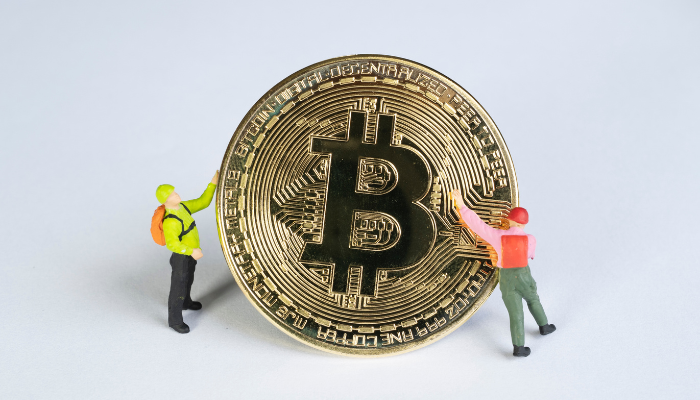
Bitcoin has become one of the most talked-about financial innovations of the 21st century. From headlines about skyrocketing prices to debates about its future, many people are curious—but still confused—about how it actually works. If you’ve ever wondered “How does Bitcoin work?”, this comprehensive guide breaks it down in simple, clear terms.
What Is Bitcoin?
Bitcoin is a digital currency that operates without a central authority like a bank or government. It allows people to send and receive money over the internet directly, without intermediaries.
Unlike traditional currencies such as the U.S. dollar, Bitcoin is entirely virtual. There are no physical coins or bills—everything exists on a digital ledger.
The Core Idea Behind Bitcoin
At its heart, Bitcoin solves a fundamental problem: how to transfer value between people online without needing a trusted third party.
Traditionally, when you send money:
- A bank verifies the transaction
- A payment processor confirms it
- Records are updated centrally
Bitcoin replaces all of that with a decentralized system powered by technology and cryptography.
The Blockchain: Bitcoin’s Backbone
To understand how Bitcoin works, you need to understand the Blockchain.
What Is Blockchain?
A blockchain is a public, digital ledger that records every Bitcoin transaction ever made. Instead of being stored in one place, it is distributed across thousands of computers worldwide.
Each “block” contains:
- A list of transactions
- A timestamp
- A reference to the previous block
These blocks are linked together in a chain—hence the name blockchain.
Why Is Blockchain Important?
- Transparency: Anyone can view transactions
- Security: Data is encrypted and nearly impossible to alter
- Decentralization: No single authority controls it
This structure ensures trust without requiring a central institution.
How Bitcoin Transactions Work
When you send Bitcoin, here’s what actually happens:
1. Transaction Creation
You initiate a transaction using a digital wallet. This wallet contains:
- A public key (like an address people can send Bitcoin to)
- A private key (a secret code used to sign transactions)
2. Broadcasting the Transaction
Your transaction is sent to a network of computers, called nodes.
3. Verification
Nodes verify:
- You have enough Bitcoin
- Your transaction is valid
- You haven’t already spent the same Bitcoin (double-spending prevention)
4. Inclusion in a Block
Verified transactions are grouped into a block.
5. Confirmation
The block is added to the blockchain, making the transaction permanent and irreversible.
Mining: The Engine of Bitcoin
Bitcoin relies on a process called Bitcoin mining to validate transactions and secure the network.
What Is Bitcoin Mining?
Mining is the process by which powerful computers solve complex mathematical puzzles to add new blocks to the blockchain.
Why Do Miners Exist?
Miners are rewarded with newly created Bitcoin and transaction fees. This incentivizes them to:
- Validate transactions
- Secure the network
- Maintain the blockchain
Proof of Work
Bitcoin uses a system called Proof of Work. This means:
- Miners must perform computational work
- The first to solve the puzzle gets to add the block
- Others verify the solution
This system makes the network secure but energy-intensive.
Bitcoin Supply: Why It’s Limited
One of the key features of Bitcoin is its fixed supply.
Only 21 Million Bitcoins
There will only ever be 21 million Bitcoins. This scarcity is built into the code and cannot be changed easily.
Why Does This Matter?
- Creates digital scarcity
- Prevents inflation like traditional currencies
- Often compared to gold as a store of value
Bitcoin Wallets Explained
To use Bitcoin, you need a wallet.
Types of Wallets
- Hot Wallets
- Connected to the internet
- Easy to use
- More vulnerable to hacking
- Cold Wallets
- Offline storage
- More secure
- Less convenient
What Does a Wallet Actually Store?
Wallets don’t store Bitcoin directly. Instead, they store:
- Your private keys
- Access to your Bitcoin on the blockchain
Security in Bitcoin
Security is a major reason Bitcoin works so well.
Cryptography
Bitcoin uses advanced cryptographic techniques to:
- Secure transactions
- Protect identities
- Prevent fraud
Decentralization
Because the network is distributed:
- There’s no single point of failure
- Attacking the system is extremely difficult
Immutability
Once a transaction is recorded, it cannot be changed. This ensures trust and accountability.
Advantages of Bitcoin
Understanding how Bitcoin works also means understanding why people use it.
1. Decentralization
No government or institution controls Bitcoin.
2. Lower Transaction Fees
Especially for international transfers.
3. Accessibility
Anyone with internet access can use Bitcoin.
4. Transparency
All transactions are publicly recorded.
Disadvantages of Bitcoin
Bitcoin isn’t perfect. Here are some challenges:
1. Price Volatility
Bitcoin’s value can change rapidly.
2. Energy Consumption
Mining requires significant electricity.
3. Regulatory Uncertainty
Different countries have different rules.
4. Limited Acceptance
Not all businesses accept Bitcoin yet.
Real-World Uses of Bitcoin
Bitcoin is more than just an investment.
Payments
Some businesses accept Bitcoin for goods and services.
Remittances
Send money across borders quickly and cheaply.
Store of Value
Often compared to digital gold.
Investment
Many people buy Bitcoin hoping its value will increase.
How Does Bitcoin Work Compared to Traditional Banking?
| Feature | Bitcoin | Traditional Banking |
|---|---|---|
| Control | Decentralized | Centralized |
| Transactions | Peer-to-peer | Through intermediaries |
| Transparency | Public ledger | Private records |
| Speed | Minutes to hours | Hours to days |
| Availability | 24/7 | Limited hours |
The Future of Bitcoin
Bitcoin continues to evolve. Innovations like:
- Layer 2 solutions (e.g., faster transactions)
- Increased adoption by institutions
- Regulatory clarity
…are shaping its future.
While some see it as the future of money, others remain skeptical. Regardless, its underlying technology is already influencing finance worldwide.
Final Thoughts: How Does Bitcoin Work?
So, how does Bitcoin work? In simple terms:
- It uses a decentralized network
- Transactions are recorded on a blockchain
- Mining validates and secures the system
- Cryptography ensures safety and trust
Bitcoin eliminates the need for middlemen, giving users direct control over their money.
Whether you’re looking to invest, use it for payments, or simply understand the technology, knowing how Bitcoin works is the first step toward navigating the world of digital currency.