
What Is Slippage in Crypto Trading? A Complete Beginner-to-Advanced Guide

What is slippage in crypto trading, and why does slippage affect trade results so often. Many traders place an order, expect one price, and receive another. This price gap frustrates beginners and drains funds from experienced traders. Slippage appears in fast markets, thin markets, and large orders. Crypto trading runs nonstop, so price movement never rests. A clear grasp of slippage helps protect capital and sharpen execution. This guide explains what is slippage in crypto, how slippage forms, and how traders reduce exposure. Each section uses plain language and real trade behavior. Readers gain direct steps and clear examples. What Is Slippage in Crypto What is slippage in crypto refers to the difference between an expected order price and the final executed price. A trader clicks buy or sell, and the market fills the order at another level. The gap forms slippage. Slippage appears in two forms. Positive slippage means a trade fills at a better price. A buy fills lower. A sell fills higher. Negative slippage means a trade fills at a worse price. A buy fills higher. A sell fills lower. Most traders focus on negative slippage. This type cuts profit and widens loss. Slippage affects all markets, yet crypto shows higher frequency. Constant trading, sharp price swings, and uneven liquidity raise exposure. How Slippage Forms During a Trade Crypto markets rely on order books or liquidity pools. Orders match buyers and sellers. Market orders fill from available prices. Limit orders wait for a chosen price. Market orders cause most slippage. A trader accepts the best price available. Large orders eat through nearby prices. Each level fills until order size completes. Price movement adds pressure. Fast candles shift quotes during execution. The trade starts at one quote and finishes at another. Network delays raise risk on decentralized exchanges. A signed transaction waits for confirmation. Price shifts during this wait. A simple example shows slippage clearly. A trader places a market buy for one Bitcoin at 40,000 dollars. The order book shows limited supply at that level. The first portion fills at 40,000. The rest fills at 40,150. The final average price lands at 40,120. Slippage equals 120 dollars. Main Causes of Slippage in Crypto Trading Low Liquidity Liquidity measures how easily a market absorbs orders. High liquidity pairs hold deep order books. Low liquidity pairs show thin books. Small tokens suffer most. Few buyers and sellers create gaps between prices. Market orders jump across levels. Slippage grows fast. Trading pairs with low daily volume expose traders to this risk. Many new projects show this pattern. High Volatility Crypto prices move fast. News, liquidations, and large trades spark sharp swings. Orders placed during these moves face unstable pricing. A trader submits an order. Price shifts seconds later. The fill occurs at a new level. Slippage appears. Volatility peaks during market opens, news releases, and sudden liquidations. Large Order Size Order size matters. A large order pushes through more price levels. Each level adds cost. A small trade fits inside one level. A large trade consumes many. Slippage grows with size. Professional desks split large trades for this reason. Network Congestion on DeFi Decentralized exchanges rely on blockchains. Transactions wait in mempools. Gas price competition slows confirmation. Price changes during the wait. The executed swap reflects the later price. Slippage results. This issue appears often during popular token launches and market surges. Slippage Across Trading Types Spot Trading Spot trading involves direct asset exchange. Centralized exchanges show order books. Slippage stays lower on major pairs like BTC or ETH. Thin pairs show higher risk. Market orders create fast price jumps. Limit orders reduce exposure. A trader selects a price and waits. DeFi Trading DeFi platforms use automated market makers. Liquidity pools replace order books. Prices adjust based on pool ratios. Large swaps move the pool ratio. Price impact rises. Slippage increases. Each platform shows an estimated slippage value before confirmation. Futures and Margin Trading Futures use leverage. Price moves trigger liquidations. Order books thin during stress. Market orders during liquidation cascades face heavy slippage. Stop orders convert to market orders and fill at poor levels. This risk amplifies losses. How to Avoid Slippage in Crypto Trading Many traders ask how to avoid slippage in crypto. No method removes slippage fully. Several actions lower exposure. Use Limit Orders Limit orders define price. The trade waits until the market reaches that level. This method blocks negative slippage. The trade may not fill. This trade-off suits patient traders. Trade High Liquidity Pairs High liquidity pairs absorb orders with ease. Bitcoin, Ethereum, and major stablecoin pairs show deep books. Avoid thin pairs during large trades. Check daily volume before entry. Split Large Orders Large orders raise price impact. Breaking a trade into smaller parts reduces stress on the book. This method spreads execution across time. Average price improves. Adjust Slippage Tolerance on DeFi DeFi platforms allow slippage tolerance settings. Lower values reject trades during sharp price movement. A tolerance between 0.1 percent and 1 percent suits liquid pools. Illiquid pools need higher values. Avoid High Volatility Periods Price swings increase risk. Trading during calm periods lowers exposure. Watch funding events, news releases, and major market opens. These steps answer how to avoid slippage in trading across most crypto markets. Is Slippage Always Bad Slippage feels negative, yet positive slippage exists. A buy fills lower. A sell fills higher. This outcome benefits traders. Positive slippage appears less often. Fast moves and market orders favor negative outcomes. Traders focus on control rather than elimination. Why zero slippage rarely appears. Markets move. Orders take time. Liquidity varies. Understanding this reality improves expectations. Slippage vs Spread Spread refers to the gap between best bid and best ask. Slippage refers to execution beyond expected price. Both raise trading cost. A tight spread lowers entry cost. Slippage adds hidden cost during execution. High liquidity reduces both. Checking order books before trading reveals spread size. Slippage appears after order placement. Common Slippage Metrics Some platforms show price impact. This value
How to Mine Solana in 2026? FillyX Guide to Earning SOL Efficiently and Safely
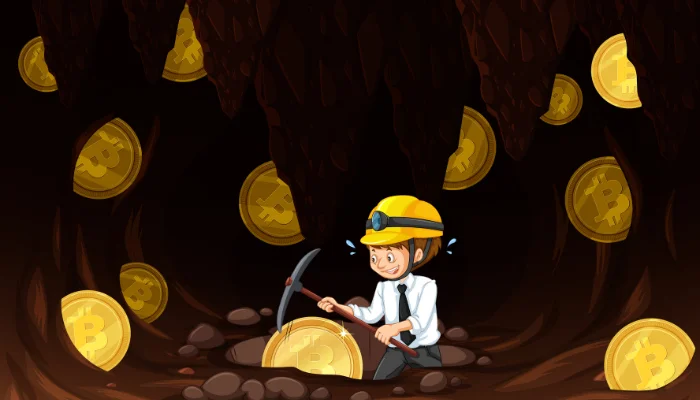
Solana has rapidly evolved into one of the most efficient, scalable, and high-performance blockchain networks in the world. As interest in Solana grows, so does the curiosity around How to earn Solana, and can you mine solana like Bitcoin or Ethereum. At FillyX, we simplify this complex topic and reveal the most profitable, practical, and beginner-friendly ways to earn SOL in today’s market. Understanding Solana’s Architecture – Why SOL Cannot Be “Mined” Traditionally Solana does not use Proof-of-Work (PoW), which means Solana coin cannot be mined through GPUs, mining rigs, or ASIC machines. Instead, Solana uses a hybrid model: Proof of Stake (PoS) Proof of History (PoH) These systems reward users based on staking, delegation, and network participation, not mining hardware. Can Solana coin be mined? No, but it can be earned through staking, validator rewards, DeFi protocols, yield-earning platforms, and other on-chain activities. What Crypto Can You Mine Instead? Since SOL cannot be mined, many users explore mineable alternatives such as: Bitcoin (BTC) – ASIC mining Ethereum Classic (ETC) – GPU mining Kaspa (KAS) – GPU-friendly Dogecoin (DOGE) – Merged mining with LTC Monero (XMR) – CPU mining After mining these coins, users often convert them into SOL using FillyX for fast and low-fee swaps. How to Earn Solana (SOL) in 2025–The Most Profitable Methods 1. Earn Solana Through Staking (Most Recommended) Staking is the safest and most consistent way to earn SOL rewards without hardware. Why Staking SOL Is Profitable Annual yields between 6%–8% (variable) No expensive mining rigs No electricity cost Rewards compounded automatically Ideal for beginners and long-term holders How It Works You simply lock your SOL to support validators and receive passive rewards. 2. Validator Node Operations (Advanced & Highly Profitable) Running a validator is the closest equivalent to “mining Solana.” Validators maintain network security and earn block rewards plus transaction fees. Requirements High-end server infrastructure 24/7 uptime Deep technical knowledge Significant SOL collateral This is ideal for institutions or advanced crypto teams. 3. Delegated Staking (Beginner-Friendly) If you do not want to run your own validator, you can delegate your SOL to existing validators and receive a share of rewards. Advantages Zero maintenance Low risk Higher reward consistency No hardware required FillyX supports secure delegated staking options for beginners. 4. Earn SOL Through DeFi on Solana Solana’s DeFi ecosystem is one of the fastest-growing in the world. You can earn SOL by: Providing liquidity Farming yield Lending SOL Borrowing and leveraging Participating in liquidity bootstraps DeFi returns vary from 3% to 25%, depending on protocol and risk level. 5. Airdrops, Rewards, and Ecosystem Incentives Solana projects frequently airdrop tokens to active users. These tokens can be swapped for SOL on FillyX instantly. Is It Profitable to Mine Solana? Since Solana cannot be mined in the traditional sense, profitability comes from staking, validating, and DeFi participation. Profitability Factors Method Difficulty Expected Yield Required Investment Staking Easy 5–9% APY Low Delegated staking Easy 6–8% APY Low Validator node Hard 7–12% APY + fees Very High DeFi farming Medium 3–25% APY Medium Airdrops Easy Variable Low Overall, earning SOL is more profitable and stable than mining many traditional coins because: No hardware costs Lower risks Consistent rewards High liquidity Final Thoughts: A Smarter Way to Earn Solana Instead of traditional mining, Solana offers modern, energy-efficient, and highly profitable earning models. Whether you’re asking: How to earn Solana? What crypto can you mine? can you mine solana? Is it profitable to mine Solana? FillyX gives you the safest, fastest, and most beginner-friendly path to growing your SOL portfolio.
How to Buy Cryptocurrency in Pakistan – Step-by-Step Guide for Beginners
In recent years, cryptocurrency has become one of the most talked-about topics in Pakistan. Digital currencies are becoming part of daily life. Students are exploring new investment opportunities. Freelancers are receiving payments in Bitcoin. But one significant question continues to confuse people: “How can I buy cryptocurrency in Pakistan safely and legally?” If you’ve been searching for answers, you’re not alone. This guide will explain how to buy cryptocurrency in Pakistan. Especially helpful for beginners. By the end, you’ll understand: What is cryptocurrency? Whether it’s legal in Pakistan or not? How to choose a safe exchange like Fillyx? How to buy Bitcoin or other crypto using local methods? How to store and protect your digital assets? Is It Legal to Buy Cryptocurrency in Pakistan? In 2018, the State Bank of Pakistan (SBP) issued a circular telling banks not to handle cryptocurrency transactions. This means Pakistani banks cannot directly help you buy or sell crypto. However, owning or trading cryptocurrency is not illegal for individuals. Many Pakistanis buy and trade Bitcoin, Ethereum, and other coins every day. They use international exchanges and peer-to-peer (P2P) trading systems. So, while banks face restrictions, individuals can still participate in the crypto market. In simple terms: Banks can’t deal directly with crypto transactions. Individuals can still buy, hold, and trade crypto safely online. What Exactly Is Cryptocurrency? Before learning how to buy cryptocurrency in Pakistan, it’s important to understand what cryptocurrency is. A cryptocurrency is digital money. You can’t see or touch it like cash. However, it is a secure online currency. You can send it anywhere in the world instantly. Each crypto transaction saves itself on a blockchain. This is like a public digital notebook. It keeps all transactions safe, clear, and unchangeable. Popular cryptocurrencies include: Bitcoin (BTC): The first and most valuable cryptocurrency. Ethereum (ETH): Used for smart contracts and decentralized apps. Tether (USDT): A stablecoin linked to the US dollar’s value. Why are Pakistanis using crypto? To earn money through trading and investments. To receive payments from international clients. To save money digitally. To avoid inflation and currency devaluation. In short, cryptocurrency is quick, global, and independent. This makes it exceptionally useful in countries like Pakistan, where banking rules can slow things down. Step-by-Step: How to Buy Cryptocurrency in Pakistan Now that you understand the basics, let’s go through the exact process of buying crypto in Pakistan, step by step. Step 1: Choose a Trusted Crypto Exchange To buy crypto, you need to use a crypto exchange, a platform that lets you buy, sell, and store cryptocurrency. Here are some of the best sites to buy Bitcoin in Pakistan: Platform Features Beginner Friendly PKR Support Fillyx Local support, easy signup, secure wallet ✅ ✅ Binance Global platform, advanced tools ⚙️ ✅ OKX Good mobile experience ✅ ✅ KuCoin No full KYC required ⚙️ ✅ Out of these, Fillyx stands out as the best platform for beginners. It’s designed for Pakistanis, supports local payment methods like Easypaisa and JazzCash, and provides a safe, verified environment to buy and sell crypto easily. Step 2: Create and Verify Your Account Once you’ve chosen a platform like Fillyx, the next step is to sign up and verify your account. How to register on Fillyx: Go to www.fillyx.com Click Sign Up Enter your name, email, and password Verify your email address Complete the KYC process (upload CNIC and selfie) This verification process is quick, usually takes only a few minutes. It helps keep the platform secure and protects your account from fraud. Step 3: Add Money to Your Account To buy crypto, you first need to add money (PKR) to your Fillyx account. Since Pakistani banks don’t directly support crypto transactions, there are other easy methods you can use. P2P (Peer-to-Peer) Trading This is the most popular method in Pakistan. You buy crypto directly from another person using your local payment apps. Steps for P2P trading on Fillyx: Log in to your Fillyx account. Select “Buy Crypto.” Choose the P2P option. Pick a seller with a good rating. Pay using Easypaisa, JazzCash, or bank transfer. Once payment is confirmed, your crypto is released instantly. Credit or Debit Card Purchase You can also buy Bitcoin using your Visa or MasterCard. Simply go to the “Buy with Card” option on Fillyx, enter your amount, and confirm the purchase. The process is smooth, safe, and quick. Indirect Bank Transfer While banks can’t deal directly with crypto, you can transfer money to verified sellers through P2P trades. Some of the most crypto-friendly banks in Pakistan include: Meezan Bank UBL Faysal Bank Allied Bank These banks don’t officially support crypto, but their transfers are commonly used in P2P trading. Step 4: Buy Your First Cryptocurrency Now that your Fillyx wallet is funded, it’s time to buy your first crypto! Steps to buy crypto on Fillyx: Log into your account. Click on “Buy Crypto.” Select the coin you want (like Bitcoin or Ethereum). Enter how much PKR you want to spend. Confirm the trade. Step 5: Store Your Crypto Safely Once you’ve bought crypto, keeping it safe is your responsibility. There are three main ways to store cryptocurrency: Exchange Wallets (Hot Wallets) Your crypto stays in your Fillyx account wallet. It’s easy to access and use anytime. Mobile Wallets Apps like Trust Wallet or MetaMask let you hold crypto on your phone. Hardware Wallets (Cold Wallets) Physical devices like Ledger or Trezor keep your crypto offline, making them very secure. Safety Tips: Always enable 2FA on your exchange. Never share your passwords or recovery phrases. Avoid clicking unknown crypto links. Keep backups of your wallet details. Step 6: Keep Learning and Tracking the Market Crypto prices change quickly, sometimes every minute. To make smart choices, keep learning and watching the market. Tips to stay updated: Use Fillyx Market Watch for real-time prices. Read crypto blogs and news. Follow crypto experts on YouTube or X (Twitter). Avoid panic buying or selling. Which Banks Allow Cryptocurrency in Pakistan? As of 2025, no bank in